
All services
52 services in 9 categories · all live now
What water softeners and filters cost in 2026, how hardness and capacity set the price, and why a $170 under-sink filter sometimes beats a $2,500 softener.
A salt-based water softener typically costs $1,200 to $3,800 installed, with $2,500 the typical price. Whole-house filters run $850 to $5,400 and under-sink filters $170 to $580.
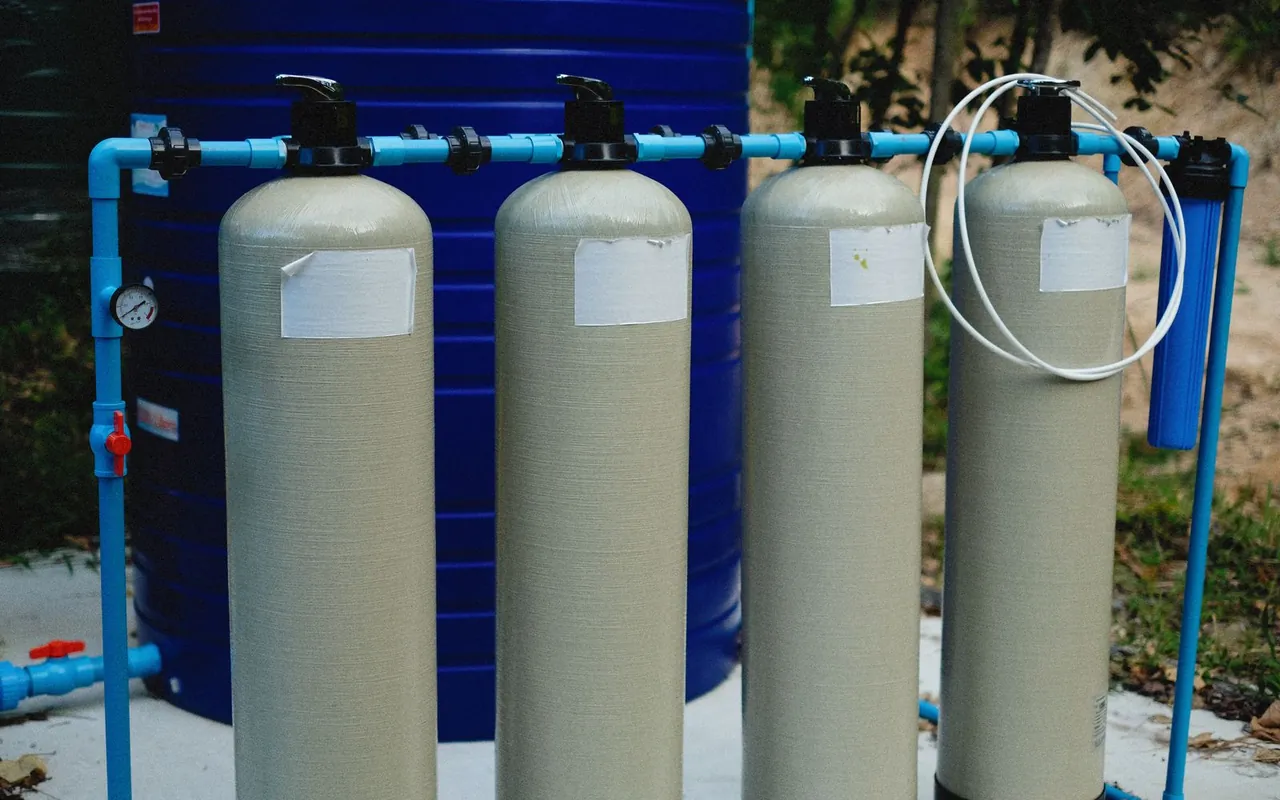
A salt-based water softener costs $1,200 to $3,800 installed, with $2,500 typical. Salt-free systems run $1,500 to $4,500, whole-house filters $850 to $5,400, and under-sink filters $170 to $580. A whole-house reverse osmosis system tops the market at $4,800 to $8,000, because it adds a storage tank, a pump and a membrane.
Quotes differ on capacity, hardness and what the installer finds at the main line. A softener sized for 400 gallons a day at 20 grains of hardness needs a different system than one in a soft-water town. Bypass valves, drain lines, electrical outlets and permits all add to the bill, so ask for the grain capacity and the bypass hardware in writing.
Installed price for salt-based softening at $1,200 to $3,800 each, the same rate as our softener row. Most homes need one system. A second and third layer, such as a whole-house filter or an under-sink RO, is what a treatment stack looks like.
HomeGuide lists salt-based softening at $1,200 to $3,800, which is the rate used here. Adding a whole-house filter at $850 to $5,400 or an under-sink RO at $300 to $950 moves the total, since each layer solves a different problem.
National ranges, installed. Your city can run 10 to 20 percent either way, so check the local pages before you compare quotes.
HomeGuide water softener, water filtration and reverse osmosis cost guides, compared Oct 2026.
Six things move a water treatment quote more than anything else. Ask every dealer for a water test and the same grain capacity, so the bids describe the same system.
Hardness runs from soft at 0 to 3.5 grains per gallon to very hard at 10 to 20. Capacity is daily gallons times hardness times 3 to 7 days between regenerations, so harder water needs a larger system.
Salt-based systems cost $1,200 to $3,800 installed and remove hardness. Salt-free runs $1,500 to $4,500 and stops scale without removing minerals. Dual-tank systems cost $1,700 to $5,000 and never pause to regenerate.
A basic carbon, mineral and sediment filter runs $850 to $1,400. Adding UV takes it to $1,850 to $2,900, and a combined filter plus softener package runs $2,650 to $5,400.
Well water treatment costs $800 to $4,000 because it often needs more stages, including iron removal, sediment and UV. City water usually needs only carbon filtration or softening for hardness.
A softener needs a drain, power and a bypass loop at the main line. New pipe, a dedicated outlet or a long run through a crawl space adds labor to the installed price.
Salt gets added through the year, replacement filters cost $20 to $100, and reverse osmosis membranes need periodic changing. Salt-free systems need less upkeep but also do less to the water.
A water treatment bill is mostly equipment plus a few hours of plumbing. The softener itself is the bulk of a $1,200 to $3,800 install, while a whole-house reverse osmosis system at $4,800 to $8,000 is dominated by the storage tank, pump and membrane.
HomeGuide water softener, water filtration and reverse osmosis cost guides, system tables, Oct 2026.
Changing filters and adding salt are the DIY parts of owning a treatment system. Replacement filters cost $20 to $100, and a salt-free system needs almost nothing. Test your water first, because a simple test kit tells you whether you need a $2,500 softener or just a $170 under-sink filter.
Installing a softener or a whole-house filter means cutting into the main line, adding a bypass and running a drain, which is licensed plumbing work in most states. A bad connection at the main can leak inside a wall. Have a pro install the system, then take over the salt and filters.
Installed prices by system type, from HomeGuide's softener and filtration tables. Each system solves a different problem, so the right choice depends on your water test rather than the price list.

HomeGuide water softener and water filtration cost guides, system pricing tables, Oct 2026.
All three treat hard or dirty water. The choice comes down to whether you need minerals removed, how much water you want to waste, and how much maintenance you will keep up with.
A softener is the right fix for very hard water, a salt-free unit suits moderate hardness and low maintenance, and whole-house RO is the premium option. Test your water before you buy, then check the quote with our quote checker before you sign.
An install follows a fixed order, and each step should appear in the scope. If a bid skips the water test or the bypass, that is where problems start.
A water test measures hardness, iron, pH and chlorine. That result sets the system size and the number of stages before any quote is written.
The installer multiplies daily gallons by grains of hardness and by 3 to 7 days between regenerations to get the grain capacity the house needs.
The unit goes near the main line with a drain, power and room to service it. A bypass valve is added so water still runs during service.
The main line is cut, the bypass loop is installed, and the unit is plumbed in. New pipe and fittings are part of the labor.
A softener needs a drain for regeneration water, so a floor drain, drywell or utility sink has to be within reach.
The valve is programmed for hardness and household size, then the water is tested again to confirm the setting is right.
You get the salt schedule, filter part numbers and warranty terms, which matter on a system costing $1,200 to $8,000.
Detailed cost guides for each job are being written; the tools above price every one of them today.
Checked against the official source on Oct 28, 2026. General information, not legal advice. Water Treatment work is regulated by permit, and by state license for some trades.
A salt-based softener costs $1,200 to $3,800 installed, a whole-house filter $850 to $5,400 and an under-sink filter $170 to $580. Whole-house reverse osmosis runs $4,800 to $8,000. Most homes need one system rather than all four, so a water test comes first.
A salt-based water softener costs $1,200 to $3,800 installed, with $2,500 typical. Salt-free systems run $1,500 to $4,500, dual-tank systems $1,700 to $5,000 and magnetic units $2,000 to $6,000. Capacity and water hardness decide where you land.
Salt-free systems cost $1,500 to $4,500 and stop scale without salt bags or a drain line. They do not remove hardness minerals, so the water still tests hard. They suit homeowners with moderate hardness who want minimal maintenance.
A carbon, mineral and sediment filter costs $850 to $1,400 installed. Adding UV light takes it to $1,850 to $2,900, and a package with a softener runs $2,650 to $5,400. Well water treatment runs $800 to $4,000.
An under-sink RO system costs $300 to $950 installed, and a whole-house system $4,800 to $8,000. Whole-house units sized at 500 gallons per day run $4,800 to $7,000, and replacement filters cost $20 to $100.
Multiply daily water use in gallons by grains of hardness, then by 3 to 7 days between regenerations. A family using 400 gallons at 20 grains needs 8,000 grains a day, so a 32,000 grain unit covers a 4 day cycle. A water test gives the hardness number.
Soft water is 0 to 3.5 grains per gallon, moderately hard is 3.5 to 7, hard is 7 to 10 and very hard is 10 to 20. Softening is recommended at 7 and essential at 10 to 20. A water test tells you which band your home falls into.
Salt-based softeners use water and salt during regeneration, which is why a drain line is needed. Salt-free conditioners do not regenerate at all. Whole-house reverse osmosis produces the most wastewater of any treatment option, so it is not a water-saving choice.
Replacement filters run $20 to $100 each depending on the system, and reverse osmosis membranes cost more than a carbon cartridge. Salt-free systems need almost no consumables. Changing filters yourself keeps the yearly cost at the low end.