
All services
52 services in 9 categories · all live now
What septic pumping, inspection and repair cost in 2026, how tank size changes the bill, and how to avoid paying for a drain field you do not need.
Septic tank pumping costs $300 to $700 for a 1,000 gallon tank, with $500 typical, or about $0.30 to $0.70 per gallon. A routine inspection adds $150 to $450.
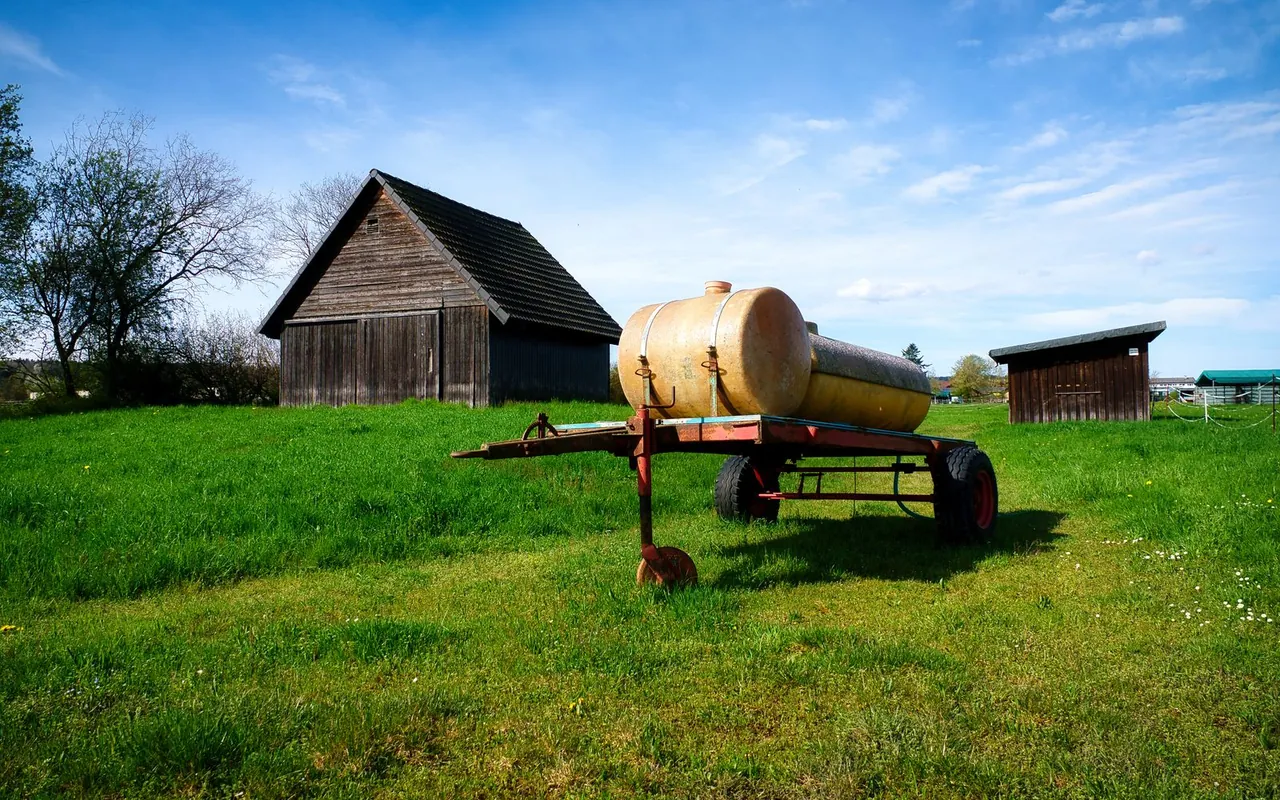
Pumping a septic tank costs $0.30 to $0.70 per gallon, which puts a 1,000 gallon tank at $300 to $700 and a 1,500 gallon tank at $450 to $1,050. That is the most common septic bill by far. A routine inspection adds $150 to $450, and a home sale inspection, which usually includes pumping and a report for the buyer, runs $300 to $650.
The bigger number is the system itself. A conventional tank and drain field costs $3,500 to $8,500 installed, an alternative system $4,000 to $15,000, and an engineered system $15,000 to $50,000 or more. Most of that difference is soil and site, not brand or tank size. Get a soil evaluation before you accept any quote for a new system.
Pumping at the national rate of $0.30 to $0.70 per gallon. Tank size depends on bedrooms, not bathrooms, and most single-family homes have a 1,000 gallon tank.
Calculated from the live per-tank prices on this page and checked against the HomeGuide pumping table in Oct 2026. Hydro jetting adds $0.20 to $0.30 per gallon.
National ranges, installed. Your city can run 10 to 20 percent either way, so check the local pages before you compare quotes.
HomeGuide septic tank pumping and septic system cost guides, compared Oct 2026.
Six things move a septic bill. Ask about each one before the truck arrives, because the scope changes faster than the price list does.
Pumping is priced by volume at $0.30 to $0.70 per gallon. A 750 gallon tank runs $225 to $525, a 1,500 gallon tank $450 to $1,050, and a 1,750 gallon tank $525 to $1,225. Larger tanks hold more but need pumping less often.
The EPA recommends pumping every 3 to 5 years. A 1,000 gallon tank in a 3 bedroom home is usually pumped every 3 years, while a 750 gallon tank in a 1 or 2 bedroom home runs about 5 years.
A neglected tank has compacted sludge on the walls and floor. Jet cleaning adds $0.20 to $0.30 per gallon, and filter cleaning runs $100 to $400. Skipping it risks solids reaching the drain field.
Concrete tanks run $1,000 to $3,000 and plastic tanks $700 to $2,500 before labor. A concrete tank usually lasts 20 to 30 years with maintenance. Age and condition decide whether a repair makes sense.
A replacement system needs a soil test at $250 to $700, a building permit at $250 to $450 and a drain field permit at $250 to $650. Budget $1,000 to $2,000 for permits, testing and inspections.
Leach field rejuvenation costs $1,000 to $5,000, a full replacement $3,000 to $15,000. A failed drain field is the most expensive septic surprise, and it is why pumping on schedule pays for itself.
On a new system, labor and site work are about half the bill. HomeGuide puts installation labor at $1,000 to $4,500 and notes that labor is nearly 50 percent of a conventional system.
HomeGuide septic tank system cost guide, conventional system breakdown, Oct 2026.
Septic pumping is not a DIY job. The tank needs to be located, the lid safely opened, the sludge measured, and the waste hauled to a licensed disposal site. A wrong move can crack a lid or let you fall into a tank, and the gas inside is dangerous. Homeowners can keep the system healthy by watching what goes down the drain and by spreading laundry loads across the week.
Simple maintenance is realistic on your own. Keep a map of the tank and drain field, keep cars and heavy equipment off the drain field, and avoid flushing wipes, paper towels, grease or chemicals. Additives are rarely needed in a healthy tank, and the pros charge $400 to $600 for ones you can buy for $50 to $200.
Installed prices by system type. Conventional systems need good soil and room for a drain field; everything else solves a site problem, which is why the price climbs.

HomeGuide septic tank system cost tables, compared Oct 2026.
The choice is usually made by where you live, not by price. If a city main is at the street, connecting is often the cheaper long-term answer; if it is not, a septic system is the only option.
A city connection can cost more upfront than a conventional septic system, but it ends the pumping schedule. Ask whether the city offers any help with the connection fee, since some municipalities subsidize part of it. For any quote, use our quote checker and get the soil test and permit costs in writing before you compare totals.
A new system is a soil and site project more than a tank purchase. These are the steps a qualified installer should walk you through.
A soil test and percolation test measure how fast water drains and set the drain field size and design.
A designer lays out the tank, drain field and setbacks, then the plan goes to the local health department for a permit.
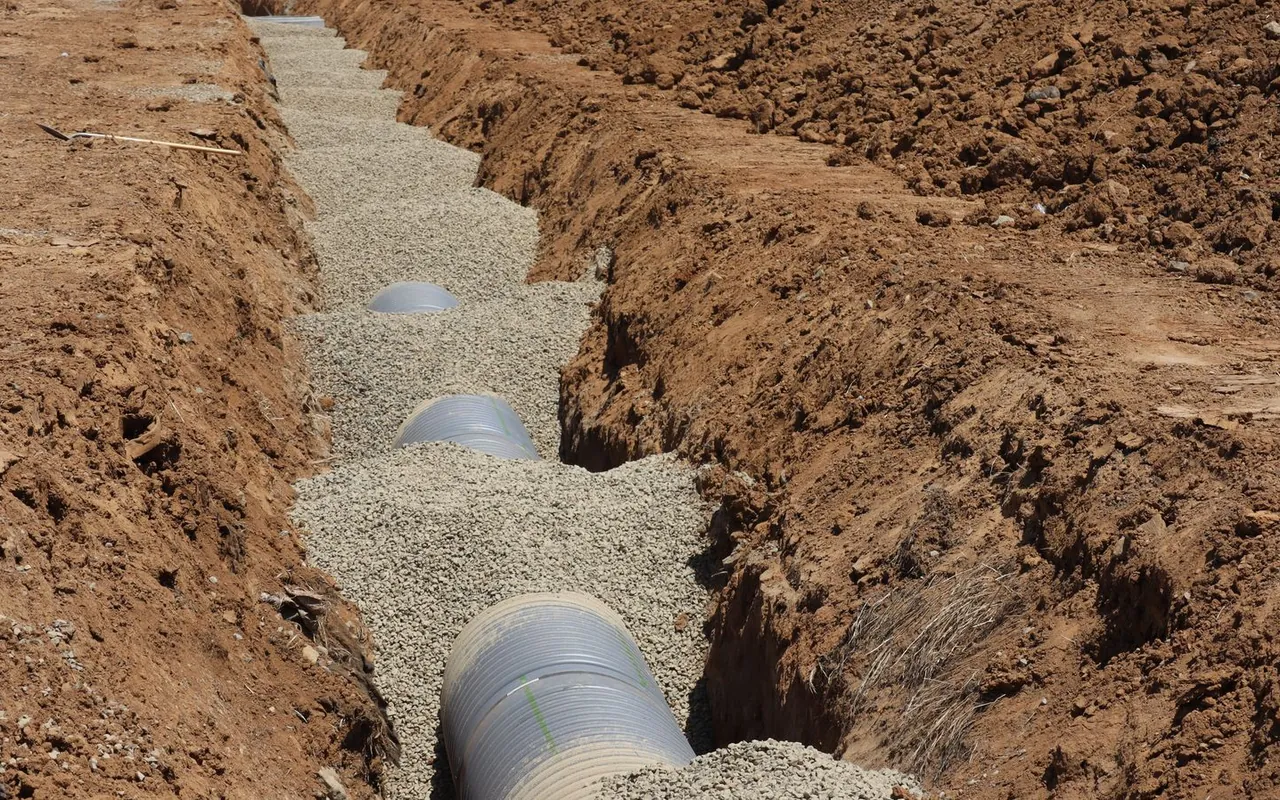
The crew digs the tank hole and drain field trenches, levels the site and brings in gravel bedding.
The tank is lowered onto the bed and leveled, with the inlet and outlet aligned so the flow runs downhill.
Distribution box, perforated pipe and gravel or chambers are installed at the designed fall, with inspection ports exposed.
The house line ties into the tank, the system is filled and checked for flow, and the inspector signs off before backfill.
Soil is replaced in lifts, the ground is graded to drain away from the field, and the lawn is restored and seeded.
Detailed cost guides for each job are being written; the tools above price every one of them today.
Checked against the official source on Oct 28, 2026. General information, not legal advice. Septic work is regulated by permit, and by state license for some trades.
Pumping costs $300 to $700 for a 1,000 gallon tank, or about $0.30 to $0.70 per gallon, with $500 typical. A 1,500 gallon tank runs $450 to $1,050. The price depends on tank size, access, how full the tank is and whether the fee includes disposal.
The EPA recommends pumping every 3 to 5 years. A 1,000 gallon tank in a 3 bedroom home is usually pumped every 3 years, while a 750 gallon tank in a smaller home can go about 5 years. Heavy water use and a garbage disposal shorten the interval.
A routine inspection costs $150 to $450. A home sale inspection runs $300 to $650 and usually includes pumping, a sludge measurement and a report for the buyer. Ask whether the fee includes the pumping, because many inspectors bill them separately.
A conventional tank and drain field costs $3,500 to $8,500 installed. Alternative systems run $4,000 to $15,000, and engineered systems $15,000 to $50,000 or more. Soil conditions, the drain field size and local permit rules drive most of the difference.
Solids build up and flow into the drain field, where they clog the soil. That can turn a $300 to $700 pumping into a drain field repair at $1,000 to $5,000 or a full replacement at $3,000 to $15,000. Regular pumping is the cheapest septic maintenance you can buy.
No. Additives do not remove sludge, and they are rarely needed in a healthy tank. Professional additives cost $400 to $600 and DIY products $50 to $200, but neither replaces pumping. Some additives can upset the bacterial balance or harm the tank.
A concrete tank usually lasts 20 to 30 years with proper maintenance. Plastic and fiberglass tanks can last as long, but they can float in a high water table. Pumping on schedule, keeping heavy vehicles off the tank and fixing leaks early extend the life.
Slow draining toilets and sinks, gurgling pipes, foul odors from drains, greener grass over the drain field and sewage backing up in the yard. Any of these means call a pumper now rather than waiting for the scheduled date.
Many states and lenders require a septic inspection before a sale, and a home sale inspection costs $300 to $650. It usually includes pumping, a tank condition report and a check of the drain field. Ask your agent what your state requires so the timing does not delay closing.