
All services
52 services in 9 categories · all live now
What an asphalt driveway costs in 2026, how much of the bill is stone, binder and labor, and when sealcoating or resurfacing is smarter than a full replacement.
An asphalt driveway costs $5 to $12 per sq ft installed, so a 400 sq ft driveway runs $2,000 to $4,800, with $3,400 typical. Sealcoating that driveway costs $400 to $800, and resurfacing runs $1 to $3 per sq ft.
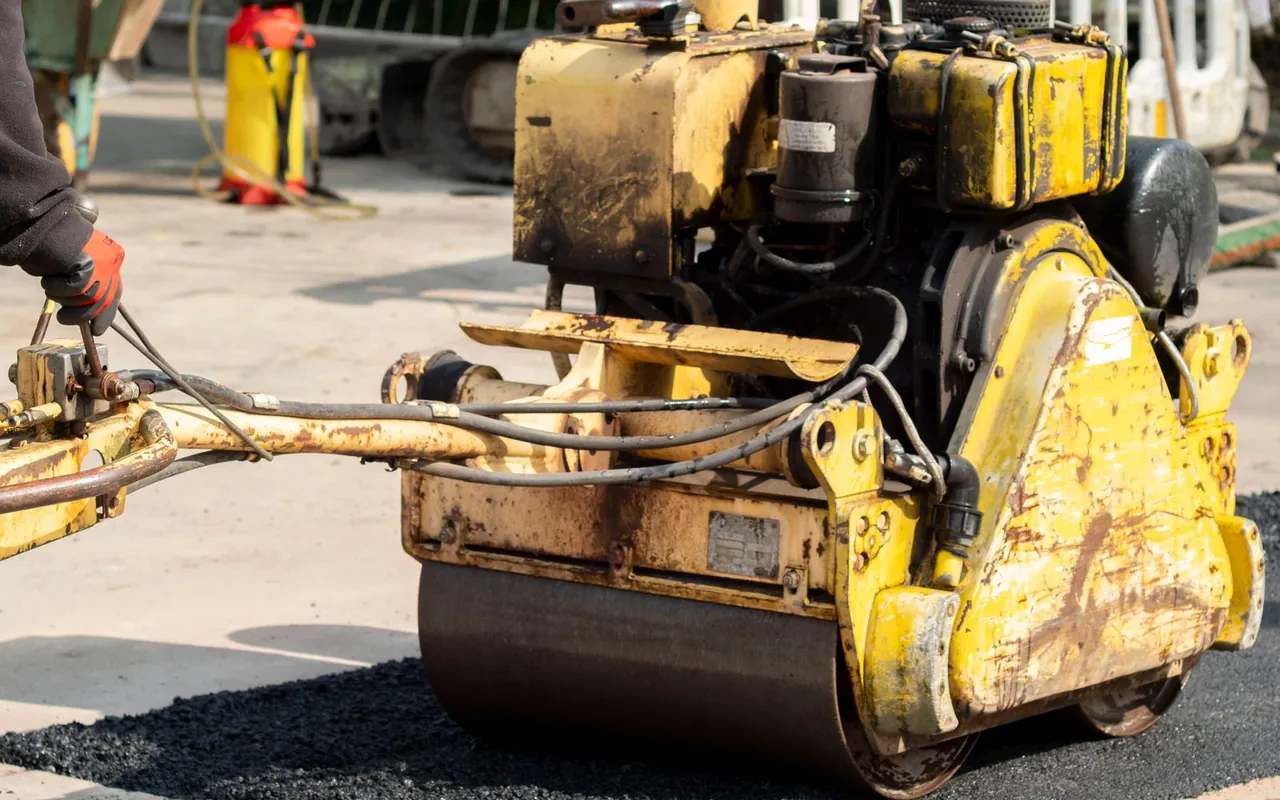
Asphalt driveway costs run $5 to $12 per square foot installed, which puts a 400 sq ft driveway at $2,000 to $4,800. That price covers excavation, a compacted gravel base, 2 to 3 inches of hot mix asphalt and rolling. HomeGuide puts labor at $3 to $6 per sq ft and materials at $2 to $6.
Bids for the same driveway differ on base depth, asphalt thickness and whether cleanup is included. Some contractors charge a $2,000 minimum, so a short driveway can cost more per foot. Ask for the mix, the compacted thickness and the base depth in writing, then compare the totals.
Installed price for a new standard hot mix asphalt driveway at the national range of $5 to $12 per sq ft, including a compacted gravel base and 2 to 3 inches of asphalt.
Calculated from our national per-sq-ft range and compared with HomeGuide and This Old House in Oct 2026. Some contractors charge a $2,000 minimum, so driveways under 400 sq ft can price higher per foot.
National ranges, installed. Your city can run 10 to 20 percent either way, so check the local pages before you compare quotes.
HomeGuide asphalt driveway and driveway sealing cost guides plus This Old House repaving data, compared Oct 2026.
Six things move an asphalt quote more than anything else. Ask every contractor to put each one in writing, so the bids you compare describe the same job.
Paving is priced by area, but most crews have a minimum job charge, sometimes $2,000 or more. A small driveway still needs a truck, a roller and a crew for part of a day.
A driveway needs a compacted gravel base over graded soil. Clay, soft spots and poor drainage add excavation and stone. Base failures are the main reason a new driveway cracks, so do not cut this line.
Residential driveways use 2 to 3 inches of hot mix, while heavy vehicle use calls for 4 inches or more. Recycled asphalt costs $4 to $9 per sq ft and porous asphalt $7 to $15, both with trade-offs.
Breaking up and hauling old asphalt adds $1 to $4 per sq ft on a repave. A driveway with cracks wider than a quarter inch or several potholes is usually replaced rather than resurfaced, per This Old House.
Sealcoat costs $1 to $2 per sq ft and should go on every 2 to 3 years, after new asphalt cures for 3 to 6 months. Skipping it shortens surface life and lets water into the base.
Asphalt plants and crews are busiest from spring to fall. Cold weather stops paving, and tight access for the truck and roller adds labor. Some cities require a permit or an apron inspection.
On a new asphalt driveway, labor and material split roughly evenly. HomeGuide puts labor at $3 to $6 per sq ft and materials at $2 to $6, and the sealcoat that follows is mostly cheap material and crew time.
HomeGuide asphalt driveway and driveway sealing cost guides plus This Old House repaving data, Oct 2026.
Sealing a driveway is a reasonable DIY job. Sealcoat is sold by the pail, and a squeegee or sprayer costs little. Prep matters more than the product, so clean and degrease the surface and fill cracks before the first coat goes down.
Laying asphalt is not DIY. Hot mix has to arrive at the right temperature and be spread and rolled before it cools, which takes a truck, a roller and a crew. Cold patch is fine for a pothole, but a driveway placed by hand will not hold up to weather or traffic.
Installed prices per square foot by asphalt type. Standard hot mix is the baseline for homes, and each option below trades cost against drainage, maintenance or snow melting.
HomeGuide asphalt driveway cost guide, driveway type table, compared Oct 2026.
All three work for a driveway. The choice comes down to upfront price, how long the surface lasts, and how much maintenance you are willing to do.
Asphalt wins on day one, concrete wins over 30 years, and gravel wins on cost if you can live with grading. Compare bids on the same base depth and compacted thickness, then send the number through our quote checker before you sign.
The base and the rolling decide how long the driveway lasts. If a quote skips a step below, that is where the savings come from.
The crew stakes the width and slope and has utilities marked before digging. A driveway is usually at least 12 feet wide, with extra width at the garage.
Topsoil and old asphalt come out, and the subgrade is shaped so water drains away from the house and garage.
Crushed stone goes in lifts, and each lift is compacted with a plate or roller. Base depth depends on soil and traffic, and it is the part you cannot inspect later.
Wood or metal edging holds the asphalt in place and sets the edge line, while the slope controls where water runs.
The truck lays asphalt at 2 to 3 inches, and the crew spreads it with rakes and a screed before it cools.
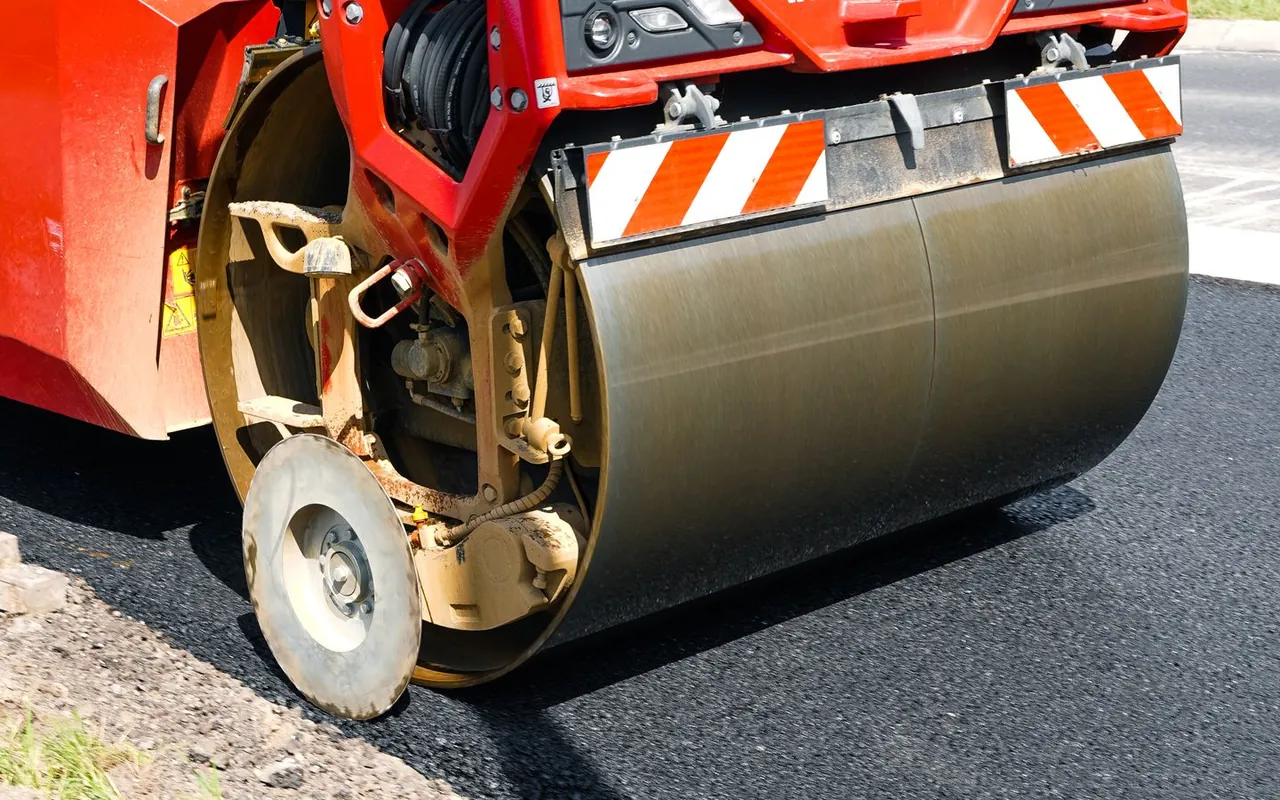
A heavy roller packs the asphalt to density, and the edges get a hand roller or tamper. Rolling while the mix is hot is what makes the surface tight.
The driveway cures for a few days before traffic and 3 to 6 months before sealcoat. Keep heavy vehicles off longer, and check the finished grade.
Detailed cost guides for each job are being written; the tools above price every one of them today.
Checked against the official source on Oct 28, 2026. General information, not legal advice. Asphalt & Sealcoating work is regulated by permit, and by state license for some trades.
An asphalt driveway costs $5 to $12 per sq ft installed, so a 400 sq ft driveway runs $2,000 to $4,800, with $3,400 typical. That includes a gravel base, 2 to 3 inches of hot mix and rolling. Sealcoating adds $400 to $800.
Sealcoating costs $1 to $2 per sq ft, or $400 to $800 for a 400 sq ft driveway, with $600 typical. This Old House puts the range at $0.70 to $2.10 per sq ft. Most driveways are resealed every 2 to 3 years.
A well-built asphalt driveway lasts 15 to 30 years, according to HomeGuide. Base quality, asphalt thickness, drainage and sealcoating decide the real life. Driveways with a weak base or no sealcoat often need resurfacing much sooner.
Wait 3 to 6 months for the asphalt to cure before the first sealcoat, HomeGuide advises. Sealing too soon traps oils and can keep the surface soft. After that, reseal every 2 to 3 years, or more often in hard freeze-thaw areas.
Resurface when the base is sound and damage is surface level. Cracks wider than a quarter inch, multiple potholes and crumbling edges point to replacement, This Old House notes. Resurfacing runs $1 to $3 per sq ft, and a new driveway costs $5 to $12.
Residential driveways usually get 2 to 3 inches of compacted asphalt over a gravel base. Driveways used by RVs, trailers or heavy trucks need 4 inches or more. Ask for the compacted thickness in writing, not the loose depth.
No. Asphalt needs a flexible gravel base and will crack over a rigid concrete slab. The concrete must come out first, which adds $1 to $4 per sq ft for breaking, hauling and disposal. Many contractors will not warranty an overlay on concrete.
Some cities require a permit or an approved apron where the driveway meets the street. Requirements vary by municipality, so call your local building or public works office before work starts. Ask the contractor who handles the permit.
Cracks usually trace back to the base. Thin base, poor drainage, tree roots or paving in cold weather all cause early cracking. Small cracks should be filled before water gets in. A driveway that cracks in its first year points to an installation problem.