
All services
52 services in 9 categories · all live now
What an epoxy garage floor costs in 2026, how much of the bill is labor and surface prep, and which coating type fits a working garage versus a showroom.
An epoxy garage floor costs $4 to $12 per sq ft installed, so a 2-car garage runs $1,600 to $5,400, with $3,200 typical. Water-based coatings are cheapest, while flake, metallic and solid epoxy push the rate higher.
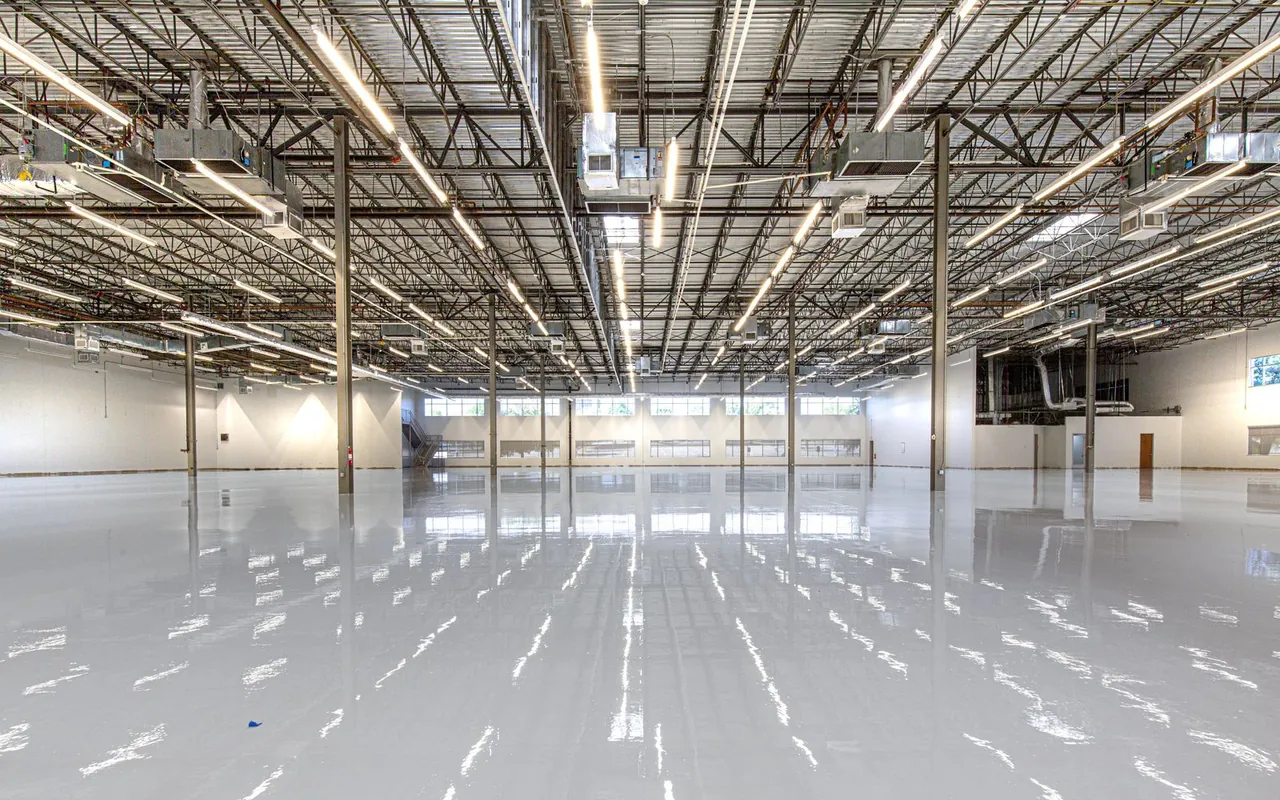
Epoxy flooring costs $4 to $10 per square foot installed, according to HomeGuide, while Angi puts the range at $2 to $12. For a two-car garage of 400 to 576 sq ft, expect $1,600 to $5,800. Our live 450 sq ft full flake price of $1,600 to $5,400 sits inside both ranges, with $3,200 typical.
Two bids for the same floor usually differ on prep. Grinding, crack repair and moisture testing decide whether the coating bonds, and skipping them is how a cheap job peels in a year. Resurfacing a damaged slab adds $3 to $7 per sq ft. Ask what prep and warranty are included, not just the coating brand.
Installed price at the national range of $4 to $12 per sq ft, including grinding, primer and a base coat. Sizes cover one-car, two-car and larger garages, and flake, metallic and solid systems sit at the high end.
Calculated from our national per-sq-ft range and compared with HomeGuide and Angi in Oct 2026. A 450 sq ft two-car garage lands near $3,200 at the typical rate, matching our live project price.
National ranges, installed. Your city can run 10 to 20 percent either way, so check the local pages before you compare quotes.
HomeGuide epoxy flooring cost guide and Angi epoxy flooring data, compared Oct 2026.
Six things move an epoxy quote more than anything else. Ask every contractor to put each one in writing, so the bids you compare describe the same floor.
Coating is priced by area, and larger floors get a better rate because setup and travel spread thinner. Clutter, tight corners and a garage cut into bays add labor hours on the same square footage.
Grinding or shot blasting is standard. Crack and spall repair adds $3 to $7 per sq ft, and moisture problems may need a vapor barrier or a different coating system. Prep is the step cheap quotes skip.
Water-based epoxy runs $30 to $50 per gallon and solid epoxy $70 to $150, per Angi and HomeGuide. Solid epoxy costs more to apply but lasts 10 to 20 years instead of 3 to 5.
Colored flakes add about $0.04 per sq ft in material but much more in labor time. Metallic and custom designs need extra coats and a steady hand. A full flake floor hides minor imperfections.
Epoxy needs a dry slab and warm temperatures to cure. Damp basements, cold snaps and humid days can delay the job or force a moisture-tolerant primer, which adds cost and a day of schedule.
The crew needs the floor empty and clear. Moving stored items, pulling shelving and working around a water heater add time. Most garages are back in service within 24 to 72 hours.
Labor is the larger share of an epoxy floor. Angi puts labor at 33 to 60 percent of the total, or $1 to $7 per sq ft, because grinding, repairs and multiple coats take longer than the coating itself.
HomeGuide epoxy flooring cost guide, Angi epoxy data and Synchrony epoxy cost breakdown, Oct 2026.
A DIY epoxy kit costs $2 to $5 per sq ft, and a single-car garage is a realistic weekend project if the slab is sound and dry. The hard part is prep. Rent a grinder, diamond wheel and shop vac, and budget a full day before the first coat goes down.
Skip DIY on a damaged or damp slab. Moisture, oil stains and weak concrete cause peeling, and fixing a failed coating means grinding it all off again. A pro job also carries a warranty, which matters on a floor that has to hold up to cars, jacks and road salt.
Cost by coating type. Resins are priced per gallon before labor; flake and polished concrete are priced by area. Ask which system the bid specifies, because the resin decides how long the floor lasts.
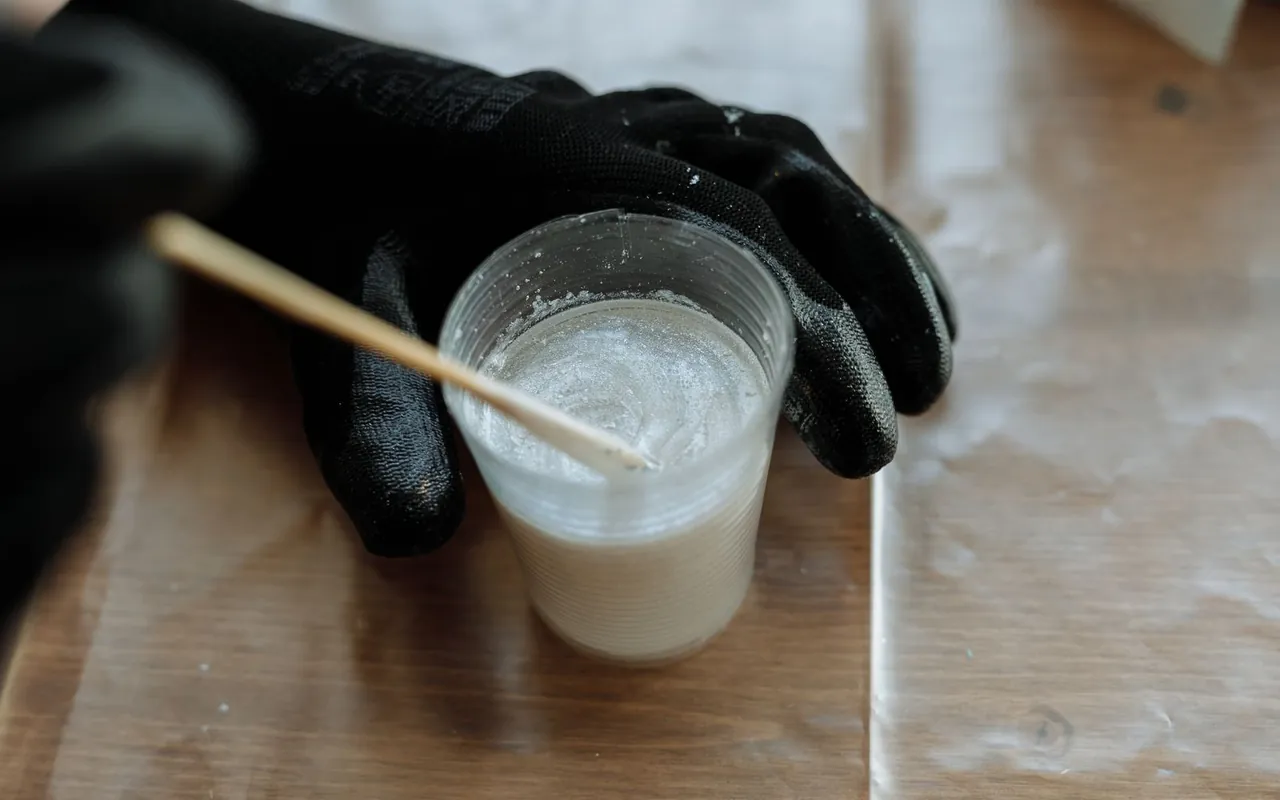
HomeGuide epoxy flooring cost guide, Angi epoxy data and Synchrony cost breakdown, compared Oct 2026.
All three upgrade a bare garage slab. The right pick depends on how the floor is used, how much traffic it sees, and whether the slab is dry enough for a coating to bond.
Epoxy gives the widest choice of color and grip for the money, and polished concrete is the toughest finish if you want no coating to peel. Paint is the budget option and the shortest lived. Compare bids on the same square footage and prep scope, then run the number through our quote checker.
The sequence matters more than the product. If a bid does not mention grinding or moisture testing, that is where the shortcut lives.
The garage is emptied, and the crew checks for cracks, oil, efflorescence and moisture. A sheet test or meter shows whether a vapor barrier is needed.
A grinder or shot blaster removes the top layer of concrete and opens the pores so the epoxy can bond. Edges and corners are done by hand.
Cracks are filled, chips are patched and wide damage is resurfaced. Patch material has to cure before coating, so this step can add a day.
Walls, doors, baseboards and fixtures are masked off. A primer coat goes down and is allowed to tack before the base coat.
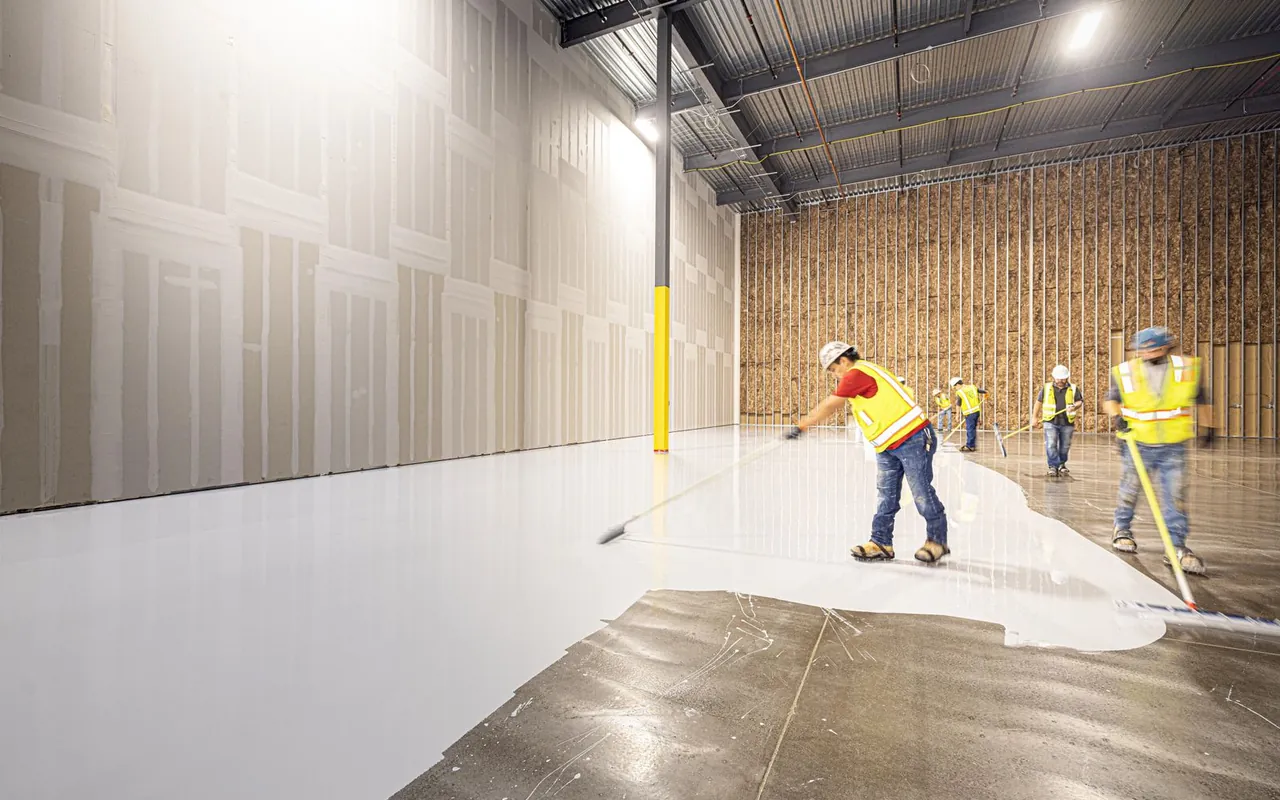
Epoxy is rolled or squeegeed on, then color flake is broadcast into the wet coat. Flake hides imperfections and gives the floor its texture.
Excess flake is scraped and vacuumed, and a clear topcoat seals the flake and adds chemical resistance. Some shops use a polyurethane topcoat.
Light foot traffic is fine after 16 to 24 hours and cars after 2 to 7 days, per HomeGuide. Keep jacks and hot tires off until the floor is fully hard.
Detailed cost guides for each job are being written; the tools above price every one of them today.
Checked against the official source on Oct 28, 2026. General information, not legal advice. Epoxy & Garage Flooring work is regulated by permit, and by state license for some trades.
Epoxy flooring costs $4 to $12 per sq ft installed, so a 2-car garage of 450 sq ft runs $1,600 to $5,400, with $3,200 typical. HomeGuide puts the national range at $4 to $10 per sq ft and Angi at $2 to $12, depending on coating type and prep.
Water-based epoxy lasts 3 to 5 years before it needs a recoat, while solid epoxy lasts 10 to 20 years, according to HomeGuide. Prep quality, moisture and traffic decide the real lifespan. Hot tires and road salt wear any coating faster.
Sometimes. A sound, well-bonded coating can be scuffed and recoated, but peeling or flaking coatings must come off first. Most installers grind back to bare concrete so the new epoxy bonds to the slab, not to a failing layer.
A glossy epoxy floor is slippery with water, snow or oil. Color flake broadcast into the base coat adds texture, and an anti-slip additive in the topcoat adds more grip. Ask for grit on garage, shop and basement floors.
Light foot traffic is usually fine after 16 to 24 hours, and cars can go back after 2 to 7 days, HomeGuide reports. Cooler weather or thick coatings slow the cure. Keep jacks, ladders and hot tires off until the floor is fully hard.
DIY kits run about $2 to $5 per sq ft, per Angi, so a single-car garage can cost a few hundred dollars in materials. You still need to rent a grinder and buy prep tools. Prep mistakes are the main reason DIY coatings peel.
A solid epoxy base coat with a flake or polyurethane topcoat handles car traffic best. Water-based epoxy is cheaper but needs recoating every 3 to 5 years. Ask for the product name, solids content and warranty before you approve a bid.
Yes. The floor has to be clear so the crew can grind, patch and coat edge to edge. Plan to store items elsewhere for two to four days, including cure time. Leaving shelves in place means the coating stops short and looks unfinished.
Cracks can be filled before coating. Moisture is the bigger problem, because epoxy traps vapor and can bubble or peel. A moisture test, a vapor barrier primer or a breathable coating is the fix. Ask every bidder how they test for moisture.