
All services
52 services in 9 categories · all live now
What solar panels cost in 2026, how system size and battery choices change the price, and what the end of the federal credit means for payback.
Solar costs $2.50 to $3.50 per watt installed, or $22,000 to $32,000 for a 9 kW system. The federal 30% residential credit ended for systems installed after 2025.

Residential solar costs $2.50 to $3.50 per watt installed, which puts a 9 kW system at $22,000 to $32,000, or $27,000 typical. A smaller 6 kW system lands lower, and a 12 kW system runs higher. Panels, inverter, mounting, labor, permits and interconnection are all part of that number.
Two quotes for the same roof can differ by thousands. Equipment brand, roof complexity, panel count, inverter type and whether a battery is included all move the price. The federal 30% residential clean energy credit ended for systems placed in service after December 31, 2025, so any quote that still applies it is out of date.
Ranges use the live installed rate of $2.50 to $3.50 per watt. System size should follow your annual electricity use, roof space and sun exposure, not a round number picked before the site evaluation.
Calculated from the live per-watt rate and compared with HomeGuide in Oct 2026. A 9 kW system is 9,000 watts, and batteries, panel upgrades and roof work are extra.
National ranges, installed. Your city can run 10 to 20 percent either way, so check the local pages before you compare quotes.
HomeGuide solar panel cost guide, compared Oct 2026. Credit status per IRS guidance.
Six things move a solar quote more than anything else. Ask the installer to list each one in the proposal, so the bids you compare cover the same hardware and the same scope.
A larger system costs more in total but usually less per watt. Size it from your annual kilowatt-hour use and the roof's sun exposure, not from a standard package. Extra panels for future EV or heat pump loads add cost now.
Monocrystalline panels run $1 to $1.80 per watt for the equipment, polycrystalline $0.80 to $1, and thin-film $0.50 to $1. Higher efficiency means fewer panels and less roof space, but a higher price per watt.
An inverter adds $1,500 to $3,000 installed, and a 200 amp electrical panel upgrade runs $1,300 to $2,500. Older homes often need the panel upgrade before solar can be connected safely.
A solar battery runs $5,600 to $11,200 installed and adds backup power plus more self-consumption. A grid-tied system without a battery is the cheaper option if you only care about offsetting monthly use.
Solar panels last 25 to 30 years, so replacing an aging roof first is usually cheaper than removing panels later. Complex roofs, multiple planes and shade from trees add labor and sometimes require trimming.
Soft costs make up more than half of a solar bill, and installation labor alone is 10 to 20 percent. Permit and interconnection fees vary by city and utility, and some areas use automated permitting that shortens the wait.
Solar is unusual: the hardware is less than half the bill. HomeGuide puts materials at 35 to 45 percent of the total, labor at 10 to 20 percent, and the rest in permits, design, sales and interconnection. That is why comparing system prices matters more than comparing panel brands.
HomeGuide solar panel cost guide, equipment and soft cost breakdown, Oct 2026.
A full rooftop solar installation is not a DIY job. It involves roof penetrations, DC and AC wiring, rapid shutdown equipment, utility interconnection and a building permit, and a mistake can void the warranty or fail inspection. Most utilities also require a licensed installer for grid connection.
You can do the parts around the edges: lower your electricity use first, trim shade trees, check the roof age, gather a year of utility bills and compare several proposals. Those steps reduce the system size you need and make the installer quotes easier to compare.
Cost by panel type and storage option. Panel prices are equipment cost per watt before installation, while the battery and solar shingles rows are installed costs.
HomeGuide solar panel type, battery and solar shingle cost tables, compared Oct 2026.
All three get you solar electricity. The right choice depends on roof age, how long you plan to stay, and whether you want to own the equipment and any incentives that remain.
Use our solar panel calculator to size a system from your bill, then compare at least three proposals on the same wattage and hardware. Ask how net metering works with your utility, and check current state and local incentives on the DSIRE database.
The steps below are what a good installer handles from first call to switch-on. The rooftop work is quick; the design, permitting and utility approval are what stretch the timeline.
The installer looks at a year of utility bills, asks about future loads and confirms whether you want backup power.
Roof age, pitch, framing and shade are checked on site, and the array layout is planned around the strongest sun.
Panel count, inverter type and battery are sized to your usage, and the proposal lists equipment, labor and fees separately.
The installer files building and electrical permits, then repairs or replaces roofing as needed before mounting.
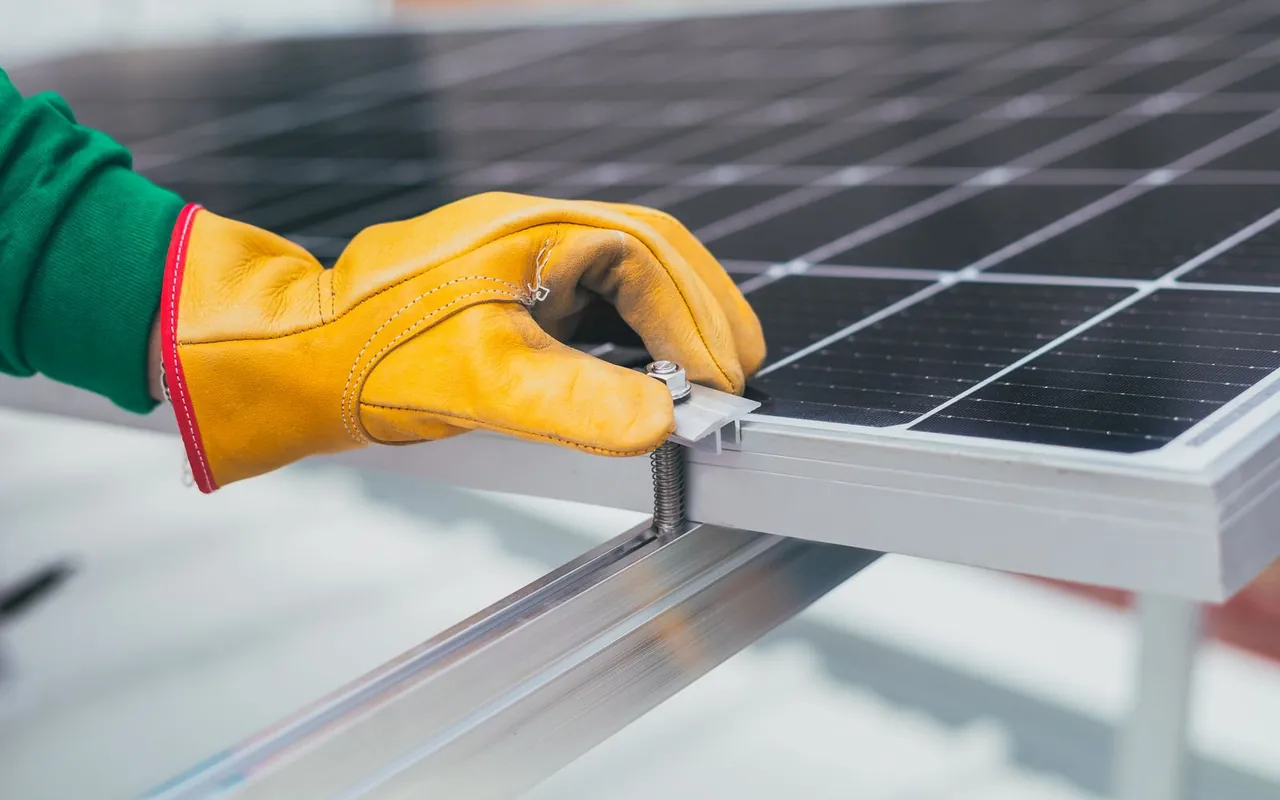
Mounting hardware is sealed and flashed into the roof, and panels are set, clamped and grounded.
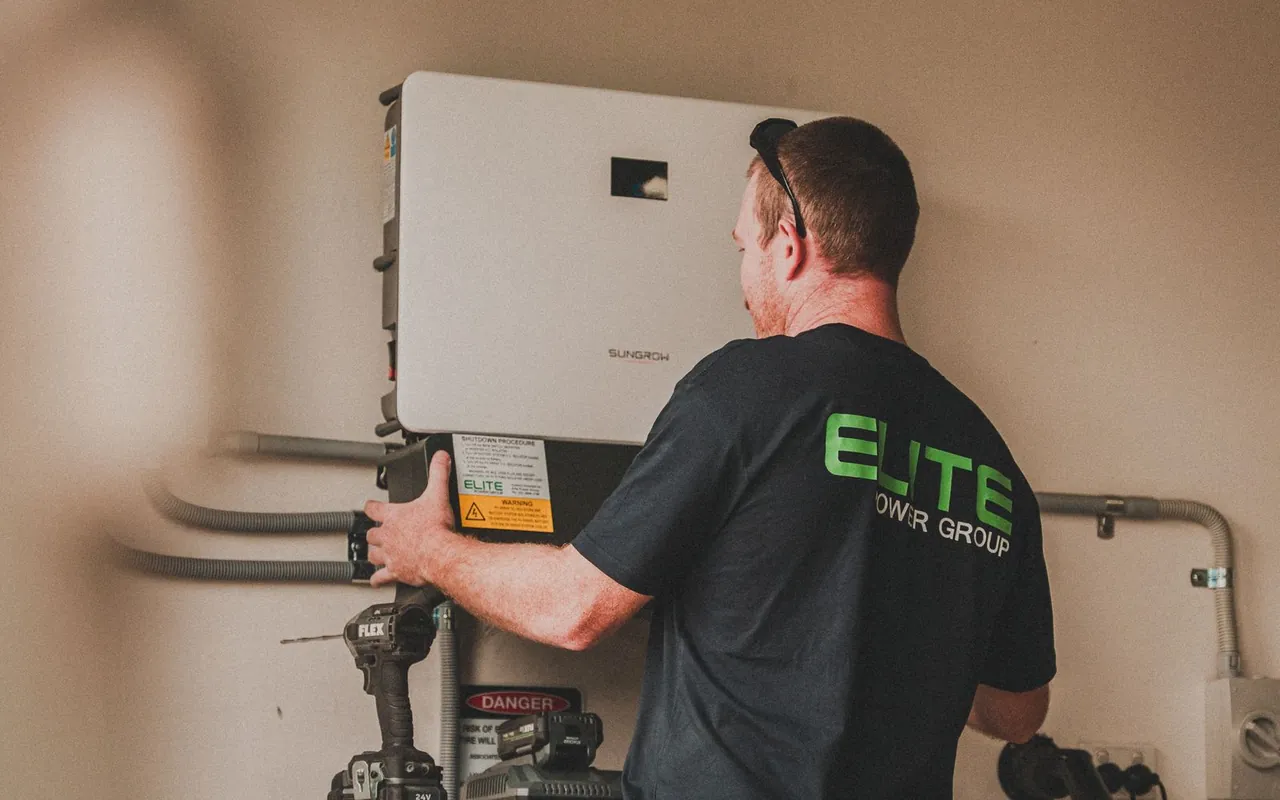
DC wiring runs to the inverter, AC connects to the panel, and a battery is tied in if the system includes one.
The city inspects the work, the utility approves interconnection, and the system is switched on and monitored.
Detailed cost guides for each job are being written; the tools above price every one of them today.
Checked against the official source on Oct 28, 2026. General information, not legal advice. Solar & Batteries work is regulated by permit, and by state license for some trades.
Solar costs $2.50 to $3.50 per watt installed, so a 9 kW system runs $22,000 to $32,000, with $27,000 typical. Smaller systems cost less in total but often more per watt. Batteries, roof work and electrical panel upgrades are added to that base price.
No. The IRS Residential Clean Energy Credit covered 30 percent of qualified costs for systems installed through December 31, 2025, and it is not available for property placed in service after that date. Any 2026 quote that still advertises the 30 percent credit is using outdated information. State and utility programs may still apply.
Size the system from your annual kilowatt-hour use, roof space and sun exposure. A 6 to 10 kW system covers many homes, but the right answer depends on your bill. Ask for a production estimate in kilowatt-hours, not just a panel count, and compare it with your actual usage.
A battery costs $5,600 to $11,200 installed and makes sense if you want backup power, have frequent outages or face utility rates that reward evening use. Without a battery, a grid-tied system is cheaper and still offsets your bill through net metering where it is available.
Payback depends on your electricity rate, system size, net metering rules and how much of the power you use. It also changed for systems installed after 2025, because the federal credit is gone. Ask each installer for a production and savings estimate, and treat very short payback claims with suspicion.
Replace the roof first if it is near the end of its life. Panels last 25 to 30 years, and removing and reinstalling them for a roof job adds cost and risk. Most installers will inspect roof age and condition and can coordinate roofing work before the array goes on.
Buying costs more up front but you own the equipment and the power it produces. A lease or power purchase agreement lowers the upfront cost but the provider owns the system, and you may see smaller long-term savings. Read escalator terms and transfer rules carefully before signing.
Panels typically last 25 to 30 years. Maintenance is mostly occasional cleaning and checking for shade or damage, at $10 to $20 per panel or $150 to $500 for a full cleaning. The inverter usually needs replacement before the panels do.
Quotes differ on panel brand, inverter type, battery inclusion, roof work, permitting and sales commission. Some also include outdated incentive assumptions. Compare proposals on system size, production estimate, hardware, warranty and total price, then use a quote checker before you sign.