
All services
52 services in 9 categories · all live now
What a standby generator costs in 2026, what the installed price includes, and why the same 22 kW unit is quoted thousands apart.
A 22 kW standby generator costs $9,000 to $18,000 installed, with $12,000 typical. The transfer switch adds $800 to $2,000 and a permit $50 to $200.
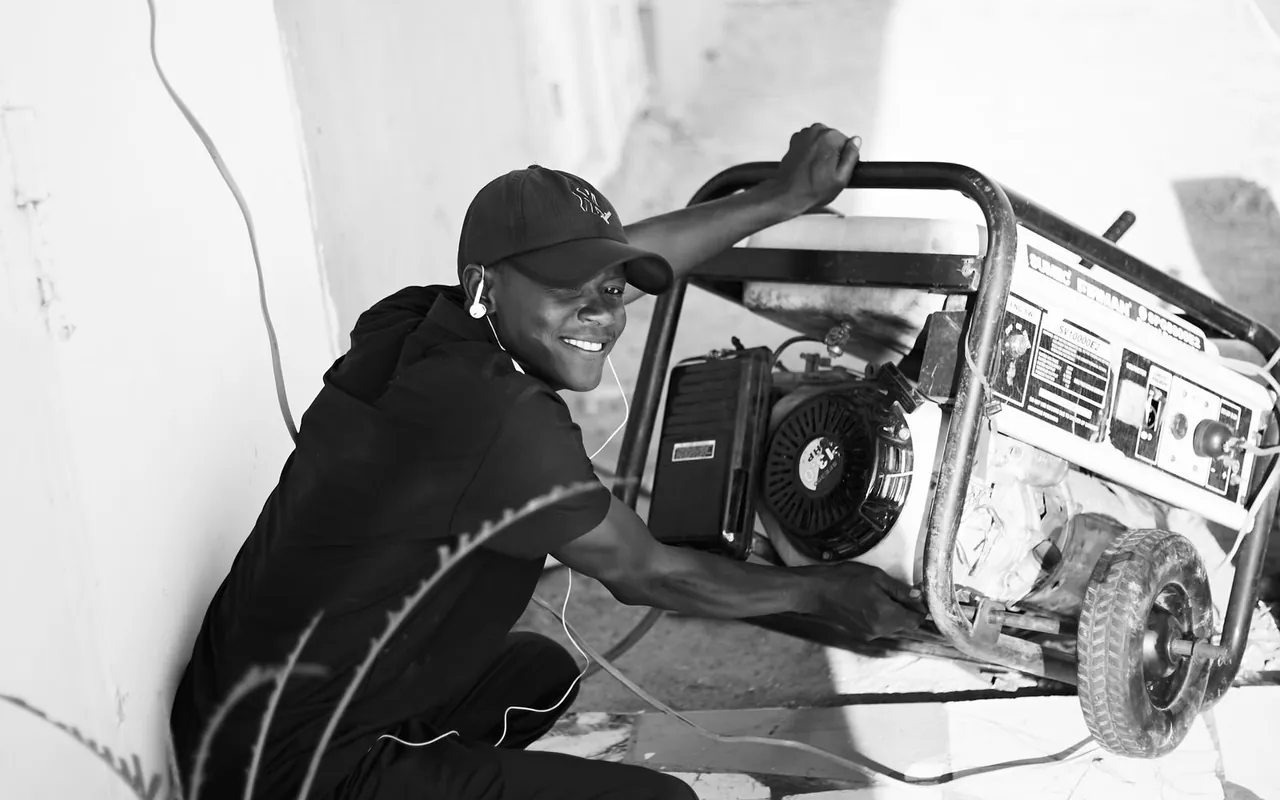
A 22 kW standby generator costs $9,000 to $18,000 installed, with $12,000 typical. That covers the unit, a concrete pad, fuel connection, wiring, an automatic transfer switch and commissioning. Forbes Home puts whole-house generators at $4,000 to $25,000, with most homeowners paying around $9,000.
Two quotes for the same generator can differ by thousands. The transfer switch, distance to the gas line and electrical panel, pad work, permit and whether the yard needs trenching all change the labor. Ask for a quote that separates equipment from site work, so you can see what each contractor is actually including.
Ranges are calculated from the live 22 kW installed price, then scaled by kilowatts. Size a standby generator from the loads you want to run during an outage, not from the square footage of the house alone.
Calculated from the live 22 kW installed price and compared with Forbes Home in Oct 2026. Per-kW cost falls as the unit gets larger, so treat these bars as an estimate rather than a quote.
National ranges, installed. Your city can run 10 to 20 percent either way, so check the local pages before you compare quotes.
Forbes Home generator cost guide, compared Oct 2026, with live installed pricing.
Six things move a generator quote more than anything else. Ask the installer to list each one, so the bids you compare cover the same equipment, fuel work and electrical scope.
A 13 to 16 kW unit covers up to about 1,500 square feet, while 22 to 25 kW handles 3,000 to 5,000 square feet. Decide which loads matter most, because whole-home backup needs a larger unit than a few circuits.
Natural gas and propane whole-house units run $2,200 to $25,000 depending on size. Diesel runs $3,200 to $24,000. Gasoline portables cost $500 to $3,200 but are not a whole-house solution, and a new gas line adds plumbing work.
A concrete pad runs $50 to $75 per sq ft, and the unit has to sit on stable, level ground. Longer runs to the gas line or electrical panel add conduit and trenching, and tight side yards may need a crane or a lift.
An automatic transfer switch costs $800 to $2,000 installed and starts the generator on its own. A manual transfer switch costs less but requires you to be home and to throw the switch yourself during an outage.
Permits usually run $50 to $200, and some municipalities or homeowner associations require approval for noise, setbacks and placement. Electrical and gas inspections add scheduling time, and clearances from windows and property lines matter.
Generac is typically priced higher, while Champion and Honda are more affordable and Briggs & Stratton and Cummins sit in the middle. Installation labor runs $1,500 to $5,000, and a maintenance plan adds annual oil, filter and load-bank service.
The generator is the biggest single line, but installation and site work decide the final total. Forbes Home puts a 22 to 25 kW unit at $4,500 to $12,500, installation labor at $1,500 to $5,000, and the transfer switch at $800 to $2,000.
Forbes Home generator cost guide, equipment and installation tables, compared Oct 2026.
A standby generator is not a DIY installation. It connects to the electrical service and often to a gas line, and both require permits, inspections and licensed trades. A transfer switch wired wrong can backfeed the utility line and injure a lineman, and a generator that is undersized or poorly vented can fail during the outage it was bought for.
You can do the planning: list the appliances you want to keep running, confirm the fuel source available at your home, check local setback and noise rules, and get three quotes for the same kilowatt size and transfer switch type. Those decisions control the price more than the brand name on the unit.
Unit price by generator size from the Forbes Home size table, before installation, transfer switch and site work. The coverage column is a rough guide, not a load calculation.
Forbes Home generator cost by size table, compared Oct 2026.
All three provide power when the grid goes down. The right choice depends on how much you want to run, how long outages last and whether you want automatic backup.
Size the generator from the loads you want to keep, then compare quotes for the same kW and transfer switch. Use our generator size calculator to check running and surge watts, and ask each installer for the fuel consumption at half and full load.
The steps below are what a licensed installer handles. If a quote skips the site plan or the load test, the price is missing work that will show up later.
The installer reviews the electrical panel, gas service, setbacks, noise rules and the circuits you want backed up.
Electrical and gas permits are filed, and any homeowner association approval for placement or noise is requested.
A level concrete pad is poured, and a gas line is run to the unit with an appropriately sized pipe and shutoff.
The unit is lifted or rolled into place, bolted to the pad and checked for clearances from windows, doors and the property line.
The automatic transfer switch is mounted and wired between the utility service and the generator.
The generator control wiring and power conductors are connected, grounded and labeled to code.
The installer runs a load test, simulates an outage, checks fuel pressure and shows you the maintenance schedule.
Detailed cost guides for each job are being written; the tools above price every one of them today.
Checked against the official source on Oct 28, 2026. General information, not legal advice. Generators work is regulated by permit, and by state license for some trades.
A 22 kW standby generator costs $9,000 to $18,000 installed, with $12,000 typical. Smaller 13 to 16 kW units cost less, and larger 30 to 48 kW units cost more. The installed price includes the unit, pad, fuel connection, transfer switch, wiring and permit.
Size depends on what you want to run. A 13 to 16 kW unit covers many homes up to about 1,500 square feet, 17 to 20 kW covers 1,500 to 3,000 square feet, and 22 to 25 kW covers 3,000 to 5,000 square feet. Add up starting watts for the appliances you need.
Whole-house generators run $4,000 to $25,000, and most homeowners pay around $9,000 for the unit, according to Forbes Home. Installed prices add labor of $1,500 to $5,000, a transfer switch of $800 to $2,000, a pad and a permit. Size and fuel type drive the final number.
Most municipalities require electrical and gas permits, usually $50 to $200, and some homeowner associations require approval for placement and noise. Clearances from windows, doors and property lines are commonly enforced. Ask the installer who pulls the permits and who meets the inspector.
A typical installation takes a couple of days once the pad is cured and the equipment is on site. Gas line work, trenching, a panel upgrade or an HOA delay can stretch the schedule. The electrical and gas inspections usually happen after the work is complete.
An automatic transfer switch costs $800 to $2,000 installed, and a manual switch costs less. The automatic version senses the outage and starts the generator without you being home. Confirm whether the switch is included in the generator quote, because it is sometimes left out of a low bid.
A standby generator needs an annual service visit with an oil and filter change, a battery check, an air filter change and a load test. Some manufacturers recommend more frequent service in heavy-use or dusty conditions. A maintenance plan usually costs a few hundred dollars a year and keeps the warranty valid.
A standby generator starts automatically, runs on your home fuel supply and can power a whole home. A portable generator costs far less but needs fuel, cords and someone home to start it, and it cannot run a whole house safely without a transfer switch. Frequent long outages favor standby.
Quotes differ on generator brand, kW size, transfer switch type, pad and trenching, gas line length, permit handling and warranty. Some bids leave out the transfer switch or gas work and add it later. Compare itemized scopes for the same kW and ask what is excluded.