
All services
52 services in 9 categories · all live now
What tree removal, trimming and stump grinding cost in 2026, how height and access change the bill, and why two quotes for the same oak differ by $1,000.
Tree removal costs $400 to $1,200 per tree, with $850 typical for a medium tree. Trimming runs $400 to $900, and stump grinding costs $120 to $400 for the first stump, with extra stumps priced lower.
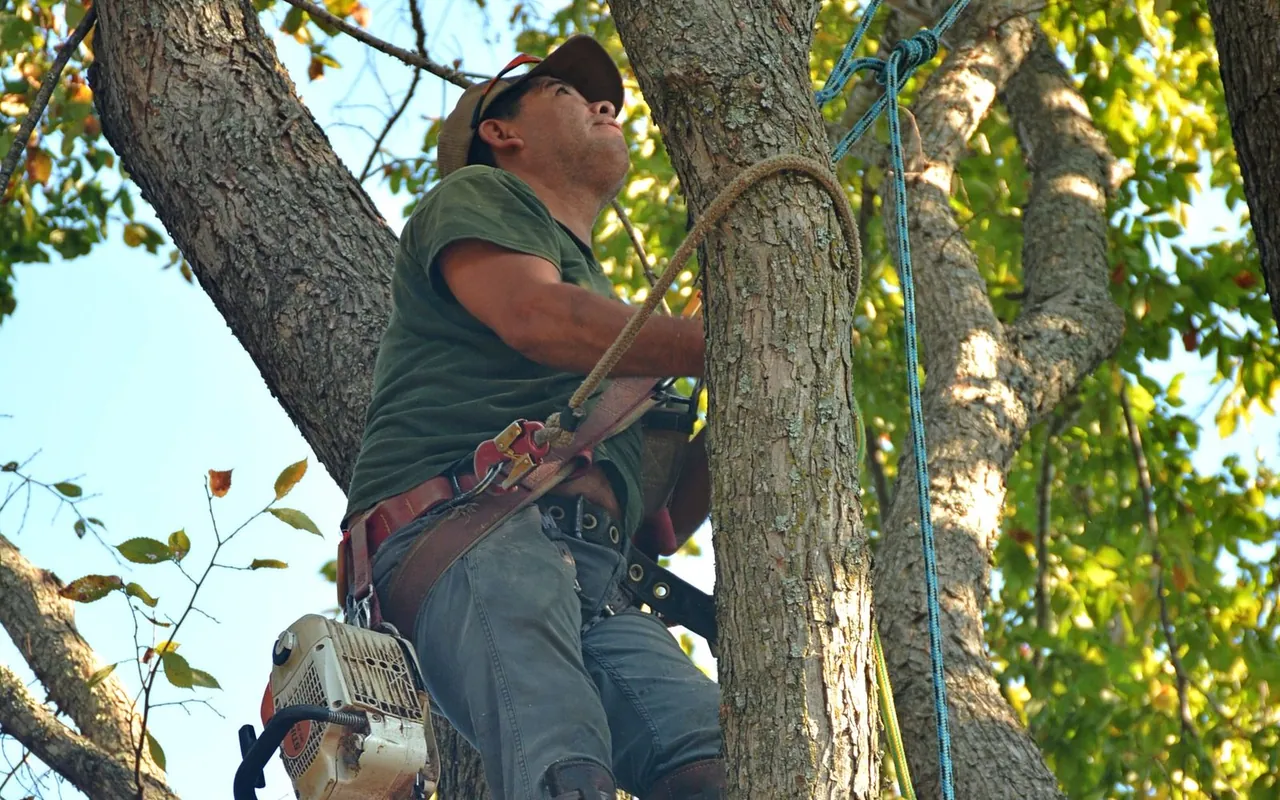
Tree removal costs $400 to $1,200 per tree on our published table, and Angi puts the national average at $750, with most homeowners paying $200 to $2,000. Height drives the number: trees under 30 ft run $200 to $500, 30 to 60 ft run $500 to $1,500, and trees over 80 ft start around $1,200.
The second quote usually differs on access and disposal. A tree next to a house, power line or fence needs rigging and climbing rather than a straight fell, and hauling, chipping and stump grinding are often separate lines. Ask what is included before comparing totals.
Installed price at the national range of $400 to $1,200 per tree removed. Counts assume medium trees with reasonable access, cleanup and hauling, but not stump grinding.
Calculated from our national per-tree range and compared with HomeGuide and Angi in Oct 2026. HomeGuide reports volume discounts of 10 to 25 percent when several trees come down in one visit, so multi-tree totals often land below the per-tree math.
National ranges, installed. Your city can run 10 to 20 percent either way, so check the local pages before you compare quotes.
HomeGuide tree removal and tree trimming cost guides plus Angi tree removal data, compared Oct 2026.
Six things move a tree quote more than anything else. Ask every contractor to put each one in writing, so the bids you compare describe the same job.
Height and diameter drive equipment, rigging and crew time. Small trees under 30 ft run $200 to $500, medium trees $500 to $1,500, and trees over 80 ft start around $1,200.
A tree in an open yard can be felled in one piece. Trees near houses, power lines, fences and driveways need climbing, sectioning and rigging, which adds crew hours and equipment.
Dead, diseased or storm-damaged trees are riskier and often cost more than healthy ones. Dense hardwoods like oak and ash take longer than pine or palm, and brittle limbs slow the work.
Stump grinding runs $100 to $500+ per stump, or $120 to $400 for the first stump on our table. Hauling costs about $70, chipping about $95, and splitting firewood about $70, per Angi.
Many cities require a permit to remove trees over a certain size, typically $60 to $150. An arborist report for the permit averages about $860, and protected species may need a plan before any cut.
Tree work peaks in summer and fall, with quotes 10 to 20 percent higher, per HomeGuide. Winter and early spring are cheaper. Emergency storm removal often costs 2 to 3 times the standard rate.
Tree work is mostly labor, equipment and insurance. The consumables are small: fuel, chain oil, chipper blades and disposal fees. Crew size and hours on site decide the bill.
HomeGuide tree removal and tree trimming cost guides plus Angi tree removal data, Oct 2026.
Limbing a few low branches with a pole saw is reasonable DIY work if you stay on the ground. Anything that needs a ladder, a chainsaw overhead or climbing is a different job. Falling limbs and kickback cause serious injuries, and a tree that leans the wrong way can hit a house.
Removing a tree over 20 ft is not DIY. It needs rigging, a spotter and insurance, and many cities require a permit and a disposal plan. A crew also carries liability coverage, which matters if a limb lands on a neighbor's roof or car.
Installed prices by job type. Removal is the big ticket, but trimming and stump grinding are separate scopes that often get bundled into one visit.
HomeGuide tree removal and tree trimming cost guides, compared Oct 2026.
Three ways to deal with a problem tree. The right one depends on whether the tree is healthy, in the way, or worth saving.
Removal is the answer for a dead or dangerous tree, trimming is cheaper when the tree is healthy, and transplanting only makes sense when the tree is worth moving. Bundle removal with stump grinding, then run the quote through our quote checker.
Rigging and the drop zone decide whether the job is safe. If a quote skips a step below, ask why.
The crew checks height, lean, species, power lines and nearby structures, then decides between felling in one piece and climbing with rigging.
Protected trees and large removals may need a permit, and utilities are called before work near lines. Ask who handles the permit and arborist report.
The crew lays mats or plywood to protect the lawn, ropes off the work area and positions the truck and chipper within reach.
A climber works up the tree, removing limbs in sections and lowering them on ropes instead of dropping them onto the yard or roof.
The trunk comes down in one direction if there is room, or in sections if the tree is hemmed in. The crew clears each piece as it lands.
A stump grinder takes the stump below grade if that service is in the quote. Grindings can be hauled away or left to settle.
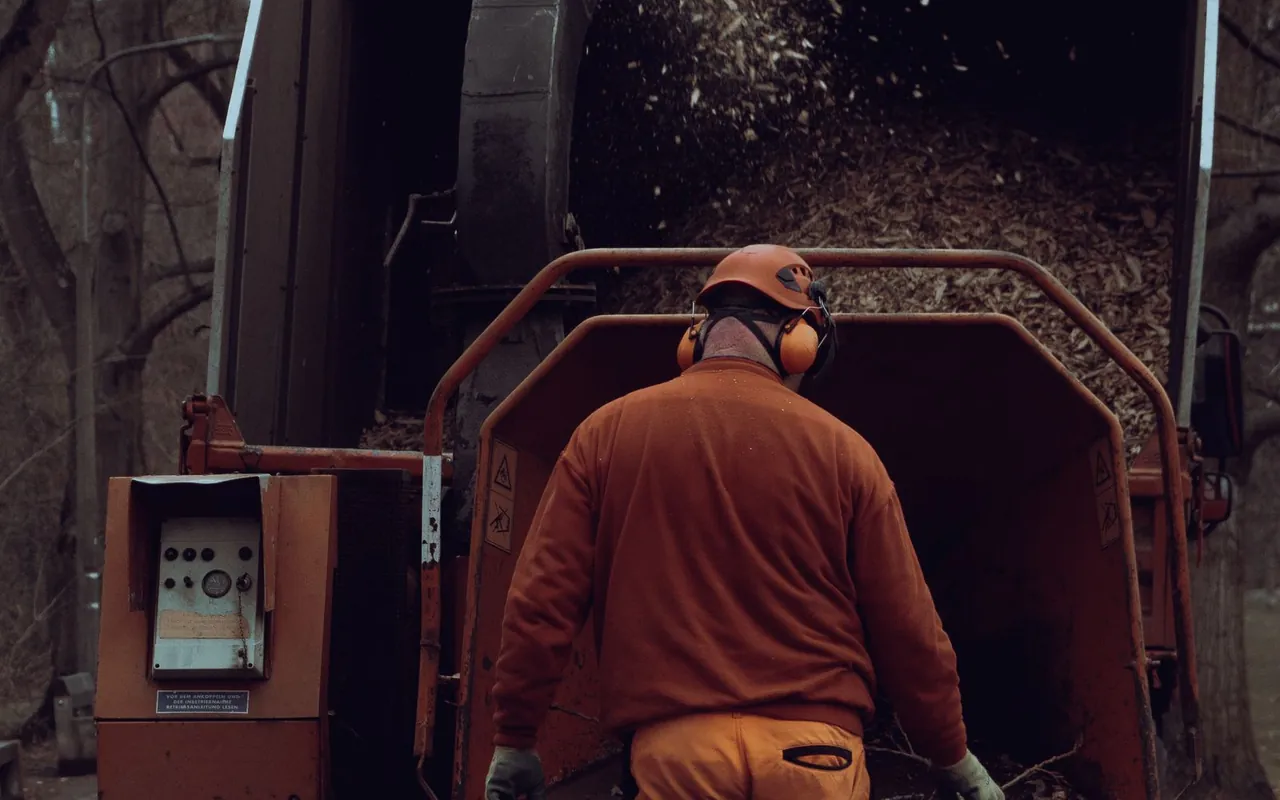
Branches and trunk are chipped or loaded, the site is raked, and the crew walks the property with you before final payment.
Detailed cost guides for each job are being written; the tools above price every one of them today.
Checked against the official source on Oct 28, 2026. General information, not legal advice. Tree Service work is regulated by permit, and by state license for some trades.
Tree removal costs $400 to $1,200 per tree, with $850 typical for a medium tree. Angi puts the national average at $750, and trees under 30 ft can cost $200 to $500. Height, access and stump grinding move the final price.
Tree trimming costs $400 to $900 per tree on average, per HomeGuide. Small trees can cost as little as $80, while a very large or neglected tree can reach $2,500 or more. Multiple trees in one visit usually cost less per tree.
Stump grinding costs $100 to $500+ per stump, according to HomeGuide, or $120 to $400 for the first stump on our table. Additional stumps typically cost less per stump. Depth, diameter and root spread decide the price.
Many cities require a permit for larger or protected trees, typically $60 to $150, per Angi. Some permits need an arborist report, which averages about $860. Call your local code office before the crew starts cutting.
Homeowners insurance usually covers removal when a tree damages a covered structure, with typical coverage of $500 to $1,000 per tree, per HomeGuide. Removal of a tree that falls in an open yard is often not covered. Check your policy first.
A small tree takes a couple of hours, a medium tree four to eight hours, and a large tree one to two working days, per Angi. Access, rigging and stump grinding add time. Weather can also push the schedule.
Keep the stump and the wood. Ask for the trunk to be left for firewood and skip stump grinding, which saves $100 to $500+. Bundle several trees in one visit for a volume discount, and schedule in the off-season.
Only small trees in open areas. Anything near a house, power line or fence needs rigging, insurance and a permit, and felling a large tree by hand is dangerous. A pro crew also handles hauling and stump grinding in one visit.
Access, height, rigging, hauling and stump grinding are priced differently by each crew, and insurance and equipment costs vary. A cheap quote may leave the debris or skip the stump. Compare itemized scopes, not just the total.