
All services
52 services in 9 categories · all live now
What a sprinkler system costs in 2026, how zones drive the bill, and why two quotes for the same quarter-acre yard can differ by $3,000 or more.
A whole-yard sprinkler system typically costs $2,500 to $6,900 installed, with $4,500 the typical price, or about $600 to $1,350 per zone. Most quarter-acre yards need 4 to 7 zones.
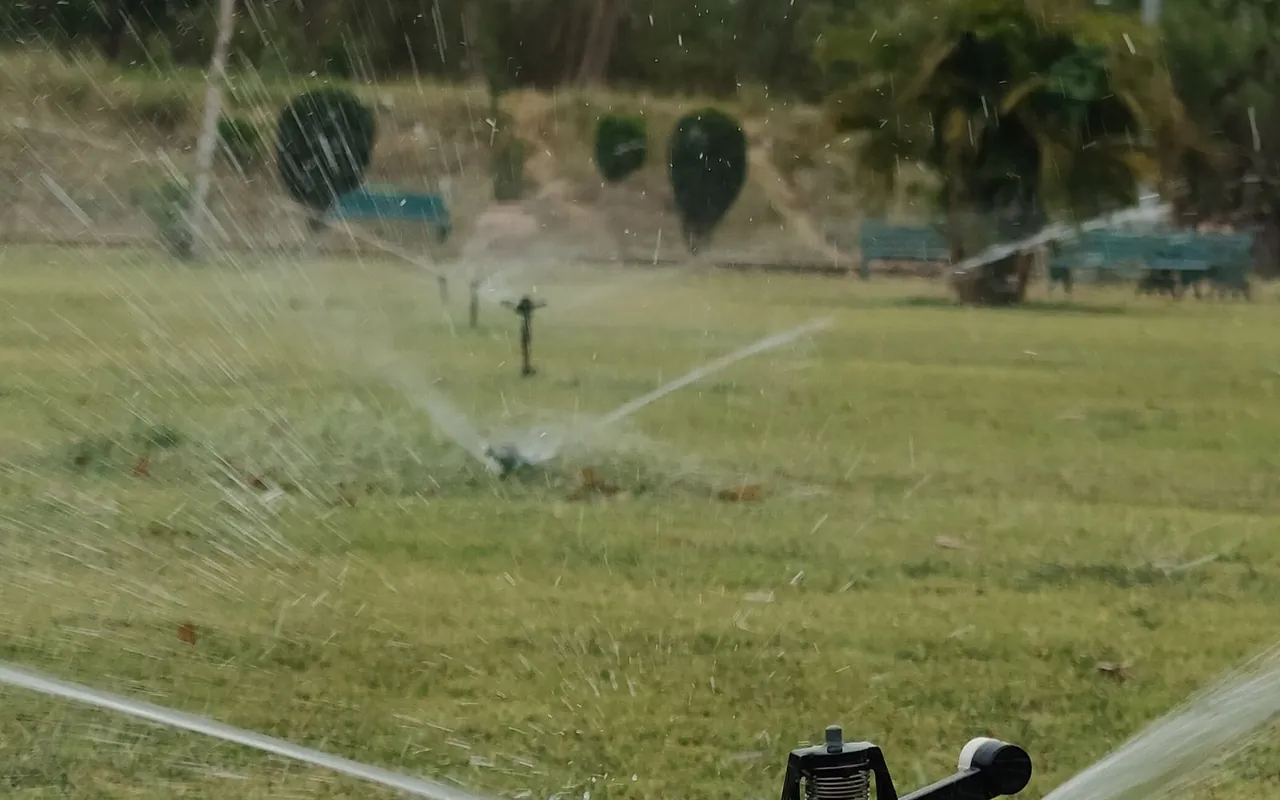
Installed irrigation runs about $0.50 to $2.50 per square foot, or $600 to $2,000 per zone, which puts a quarter-acre lawn at $3,000 to $10,000. Most homeowners land near $4,500 for a whole-yard system of four to five zones. That price should cover the design, trenching, pipe, valves, heads, controller, backflow preventer and a test run of every zone.
Two quotes for the same yard part ways on zone count, head type, trenching and permits. An underground system costs $1.00 to $2.50 per square foot, a drip line for beds $1.50 to $4.50, and trenching alone $5 to $12 per linear foot. Rocky soil, an irregular lawn and a required backflow preventer at $450 to $1,700 move the total well above the average.
Installed price at the national range of $600 to $1,350 per zone. Most quarter-acre yards need 4 to 7 zones, with 5 to 10 sprinkler heads on each zone. A typical lawn runs 3 to 5 zones before shade, slope and plant beds get their own lines.
HomeGuide lists a single zone at $600 to $2,000 and four zones at $2,400 to $8,000, which brackets this rate. LawnLove puts an average zone at $590 to $1,340, close to the same range.
National ranges, installed. Your city can run 10 to 20 percent either way, so check the local pages before you compare quotes.
HomeGuide sprinkler system installation and repair cost guides, with LawnLove zone pricing, compared Oct 2026.
Six things move an irrigation quote more than anything else. Ask every contractor to price the same zone count and head type, so the bids describe the same yard.
Zones are the main line on any irrigation bid at $600 to $1,350 each. A quarter-acre lawn usually needs 4 to 7 zones, and each zone carries 5 to 10 heads depending on pressure and coverage.
Fixed spray heads cover small areas cheaply, while rotors and rotary nozzles cost more and throw water farther. Drip lines for beds and planters run $1.50 to $4.50 per sq ft instead of $1.00 to $2.50 for underground spray.
Trenching runs $5 to $12 per linear foot, or $500 to $1,200 for a typical lawn. Rocky soil, tree roots and hard clay slow the crew down, and difficult yards can reach $4.00 per square foot.
Most jurisdictions require a backflow preventer to keep irrigation water out of the drinking supply. Installation costs $450 to $1,700, repairs run $150 to $500, and a permit or inspection adds another fee.
A basic controller is included in most bids. Rain sensors and soil moisture sensors cost $17 to $75 each, and Wi-Fi controllers and monitoring add $20 to $300. These extras pay back in water savings.
Irrigation crews charge $50 to $100 per hour, and city labor runs higher than rural rates. A fenced yard, a steep slope or an old system that has to be removed and hauled away adds hours to the job.
LawnLove reports labor makes up about half the total cost of a sprinkler install. The rest is pipe, valves, heads, the controller and the backflow device, which is why hardware upgrades are easy to price and trenching is not.
HomeGuide sprinkler installation, repair and winterization guides, with LawnLove labor data, Oct 2026.
Above-ground hose timers, drip kits for a few beds and head or nozzle swaps are realistic DIY jobs. A drip zone kit runs a few hundred dollars, and replacing a broken head takes minutes once the water is off. Anything that involves cutting into a buried line, wiring a controller or working on the backflow device belongs to a licensed irrigator.
A full underground system is not a weekend project. You need a zone-by-zone design that matches water pressure and flow, trenches below the frost line where that applies, and a backflow assembly that passes inspection. A badly zoned system wastes water and leaves dry patches, and fixing the layout later means digging it up again.
Installed price per square foot by system type, from HomeGuide's irrigation tables. Underground spray is the standard for lawns, drip is for beds and planters, and above-ground is the budget option for small yards.
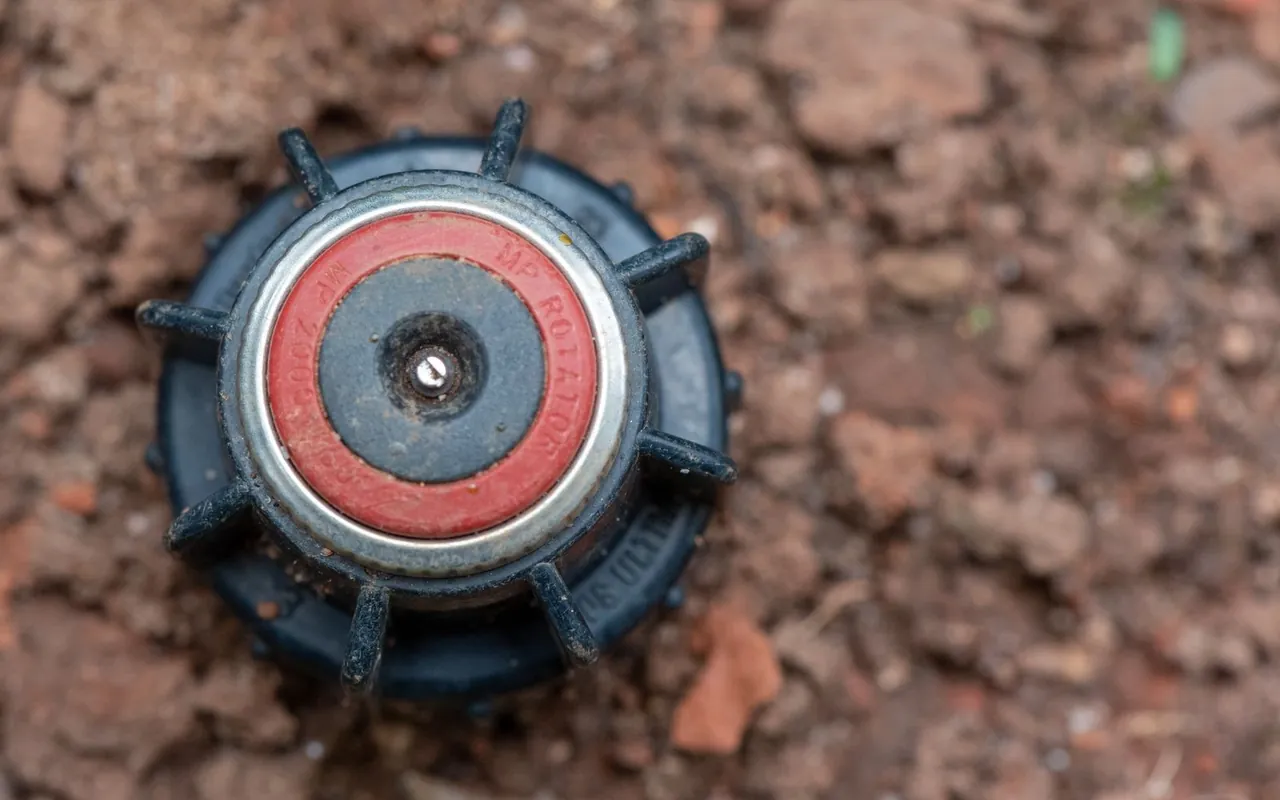
HomeGuide sprinkler system cost guide and LawnLove installation pricing, compared Oct 2026.
All three water a yard. The right pick depends on how much of the lawn you are watering, how long you plan to stay, and whether you want to move a hose every evening.
An underground system waters a whole lawn on a schedule without dragging hoses. Drip wins for beds, and a hose timer is the cheap stopgap. Price your zone count first, then check the bid with our quote checker.
An irrigation install runs in a set order, and every step should appear in the scope. If a bid skips one, that is where the savings came from.
The contractor maps the lawn, checks water pressure and flow at the spigot, and groups heads into zones that can run together.
Underground lines are marked before any digging. Hitting a gas, power or cable line is the most expensive mistake on the job.
Trenches run $5 to $12 per linear foot. Lines go below the frost line where it applies and deep enough to miss aeration and edging.
The backflow device goes on the supply line and costs $450 to $1,700 installed. It protects drinking water and usually has to pass inspection.
Poly pipe, zone valves, manifolds and controller wiring go in, with each zone on its own valve so it can run and be repaired alone.
Heads are set to grade and adjusted for coverage, then the controller is programmed with run times for each zone and a rain delay.
Every zone runs while the crew checks pressure and coverage. Heads are adjusted on the spot, and you get a walkthrough of the controller.
Detailed cost guides for each job are being written; the tools above price every one of them today.
Checked against the official source on Oct 28, 2026. General information, not legal advice. Irrigation work is regulated by permit, and by state license for some trades.
A whole-yard sprinkler system costs $2,500 to $6,900 installed, with $4,500 the typical price, or $600 to $1,350 per zone. A quarter-acre lawn usually needs 4 to 7 zones. Labor accounts for about half the total, and the rest goes to pipe, valves, heads, the controller and the backflow preventer.
Plan on $600 to $1,350 per zone, with $950 typical. HomeGuide lists a single zone at $600 to $2,000 and LawnLove reports $590 to $1,340 per zone. A zone typically covers 5 to 10 heads and the pipe and valve that feed them.
A quarter-acre lawn of 10,890 sq ft costs $3,000 to $10,000 installed, with most homeowners near $4,500. At $0.50 to $2.50 per square foot, the total depends on how many zones the layout needs and whether a backflow preventer and permit are required.
An automatic system waters evenly on a schedule, which keeps a lawn healthier through dry spells and usually uses less water than hand watering. A smart controller with a rain sensor can trim waste further. The payback is a better lawn rather than a hard dollar refund.
Repairs run $100 to $400 on average, with emergencies at $150 to $300 per hour. A replacement head costs $130 to $275 installed. Frozen or leaking pipes are the most common problem, followed by broken heads and faulty zone valves.
Winterizing a sprinkler system costs $50 to $150 per year. The crew blows compressed air through each zone, drains the lines and checks the heads before the first freeze. Skipping it can crack pipe and valves, which costs far more to repair in spring.
Most zones run 5 to 10 heads, depending on head type, water pressure and the shape of the area. Rotary heads throw farther and need fewer per zone than fixed spray heads. Your contractor should design zones around measured pressure and flow, not a rule of thumb.
A typical quarter-acre system takes 2 to 4 days, weather and site access permitting. Trenching is the slowest part, and rocky soil or tree roots can stretch the schedule. A permit and backflow inspection can add a few days before the crew starts.
Most lawns need about 1 inch of water per week, roughly 2 hours total split into 15 to 30 minute sessions. Deep, infrequent watering builds deeper roots. Adjust run times by season and let a rain sensor skip a cycle after rain.