
All services
52 services in 9 categories · all live now
What a new garage door costs in 2026, what openers and springs add, and why the same size door can be quoted at $700 or $3,500.
Garage door installation costs $700 to $2,700 for a single door and $1,000 to $3,500 for a 2-car door, with $2,000 typical. New openers add $300 to $900.
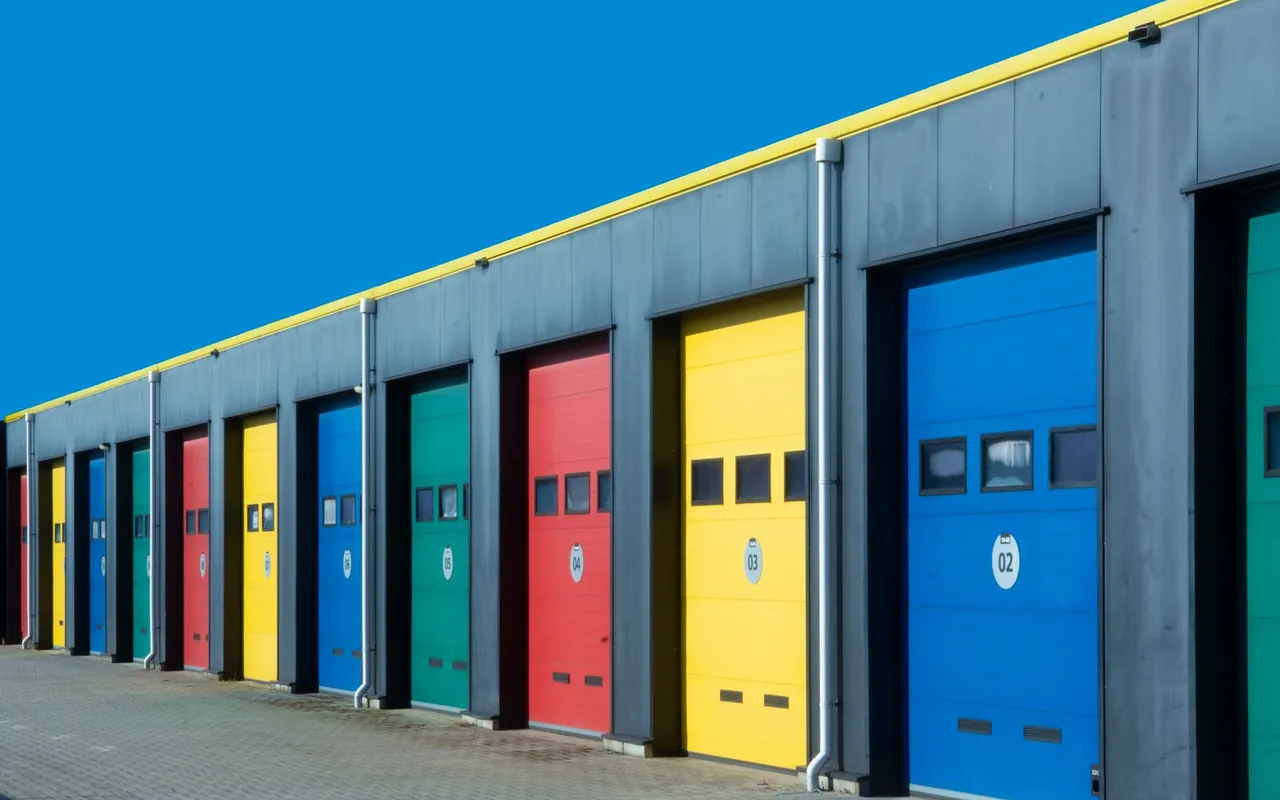
A new garage door costs $700 to $3,500 installed for most homes. A single door runs $700 to $2,700 and a double or 2-car door runs $1,000 to $3,500. The door and hardware account for $400 to $2,500 of that, and installation labor adds $200 to $500. Removal, a permit and a new opener are separate line items.
Two quotes for the same opening can differ by hundreds of dollars because doors are not all the same. Steel doors are cheap and low maintenance, wood and glass cost several times more, and windows or insulation add to both material and labor. Compare quotes on the same size, material and warranty, not just the price on the first page.
Installed cost for single doors at the national rate of $700 to $2,700 each. Many 2-car garages use one double door, which costs $1,000 to $3,500 and less than two single doors.
Calculated from the single door range and checked against HomeGuide in Oct 2026. A 3-car garage with one single and one double door costs $1,700 to $6,200, so ask for a quote by opening size.
National ranges, installed. Your city can run 10 to 20 percent either way, so check the local pages before you compare quotes.
HomeGuide garage door installation and opener cost guides, compared Oct 2026.
Six things move a garage door quote. Ask for them in writing so the bids you compare describe the same door, opener and disposal.
A single door costs $700 to $2,700 and a double door $1,000 to $3,500 installed. Oversized or non-standard openings need custom doors, which cost more to build and install. Measure the opening before comparing any two quotes.
Steel installed costs $700 to $2,500, aluminum $800 to $2,500, wood $1,200 to $4,000, fiberglass $1,000 to $2,100 and glass $2,500 to $6,000. Steel is the most common choice because it is durable, affordable and low maintenance.
A standard panel door costs $400 to $1,400 before labor, while a door with windows runs $600 to $2,500. Carriage house, French and glass roll-up styles carry a premium. Decorative hardware and custom colors add a little more.
Insulated doors cost more upfront and help on attached garages that share walls with living space. They also cut noise. Ask for the R-value and compare it across quotes, because insulation changes the price more than the panel style does.
A new opener installed costs $300 to $900. If the garage has no wiring for an opener, an electrician adds a circuit, which is extra. Belt drive and smart openers cost more than chain drive, and battery backup is a common add-on.
Old door removal and disposal costs $50 to $250, and permits or inspections run $50 to $250. A written warranty on the door, hardware and workmanship matters, because springs and openers fail years before the door does.
On a standard replacement, the door itself is the biggest line. Labor is a smaller share than on most home projects because a door swap takes 3 to 6 hours with two installers.
HomeGuide garage door installation cost calculator, compared Oct 2026.
Garage door installation is not a safe DIY project. A sectional door is heavy, the torsion spring or springs store enough energy to injure or kill someone, and a door that is out of balance can fall. Most manufacturers also require professional installation for the warranty to stay valid.
Owners can handle small items between service visits. Lubricate rollers, hinges and the opener rail, tighten loose bolts, and test the opener's safety reverse monthly with a piece of wood. Replace a worn weather seal yourself. Leave springs, cables and tracks to a technician, because those parts are under load.
Installed prices by material, door and labor included. Material decides the look, the maintenance and how much the door weighs, which affects the hardware it needs.
HomeGuide garage door cost by material table, compared Oct 2026.
A door that is dented or rusted needs replacement. A door that will not open, close or stay down is usually a repair. Refinishing is the budget option when the door is sound but tired.
A repair is the right call when the door panel is sound and the problem is mechanical. A replacement makes more sense once the door is past 15 to 20 years, dented or rusted through. Painting costs $100 to $700 and is worth it only on a door you plan to keep. Run the quote through our quote checker before you decide.
A standard replacement takes 3 to 6 hours with two installers. These are the steps a licensed company should follow, and each one belongs in the work order.
The installer measures the opening, headroom, backroom and side room, then orders a door that fits the spring system the garage can handle.
The door is lowered safely, springs are released by a technician, and panels, tracks and hardware come down and are hauled away.
The installer checks the jambs, header and floor for rot or damage, and fixes anything that would pull the new tracks out of line.
Vertical and horizontal tracks are leveled and bolted in place, then the torsion spring or extension springs are mounted and tensioned.
Panels go in, hinges and rollers are fitted, and the door is balanced so it lifts with one hand and stays put at the halfway point.
The opener rail, motor and brackets are mounted, and the safety sensors are aligned so the door reverses when something is in the way.
The installer tests the balance, the safety reverse and the force settings, then walks you through the remote, keypad and warranty paperwork.
Detailed cost guides for each job are being written; the tools above price every one of them today.
Checked against the official source on Oct 28, 2026. General information, not legal advice. Garage Doors work is regulated by permit, and by state license for some trades.
A new garage door costs $700 to $3,500 installed. A single door runs $700 to $2,700, with $1,500 typical, and a 2-car door runs $1,000 to $3,500. The door and hardware are $400 to $2,500 of that, and labor adds $200 to $500.
An opener installed costs $300 to $900, with $550 typical. Chain drive is the cheapest, belt drive is quieter, and smart openers with battery backup cost more. If the garage has no wiring, an electrician adds a circuit on top of the opener price.
Torsion spring replacement costs $150 to $350 for both springs, and the springs themselves are a small part of that. Springs are under high tension, so this is not a DIY job. Expect a service call and a warranty of a few years on the parts.
Most garage doors last 15 to 30 years depending on material, use and maintenance. Steel doors last longer with a wash and touch up paint, while wood needs refinishing every few years. Springs and openers wear out sooner than the door itself.
Repair a door that is structurally sound and has a mechanical problem like a snapped spring, a bent track or a failing opener. A door past 15 to 20 years, or one that is dented and rusted, is usually a replacement. Repairs run $150 to $350, and doors last 15 to 30 years.
A standard replacement of the same size and type takes 3 to 6 hours with two installers. A different style or size takes longer, and custom doors may need days for the order to arrive. Ask for the delivery date in writing before you schedule the install.
Some cities require a permit or inspection for a garage door replacement, typically $50 to $250, and most do not. Structural changes, a new opening or an electric opener on a new circuit are more likely to need one. Ask the installer who pulls it.
Technically yes, but the torsion spring or springs are under extreme tension and cause serious injuries. A door also has to be balanced and its safety sensors aligned. Most manufacturers require professional installation for the warranty, and a failed install can cost more than the labor saved.
Usually a faulty safety sensor, a stuck wall button, a misaligned track or a logic board problem. Clean the sensor lenses and check for obstructions first. If the door still moves on its own, call a technician, because a shorted wire or failed board can be a safety issue.