
All services
52 services in 9 categories · all live now
What water damage restoration costs in 2026, what insurance usually covers, and why two bids for the same wet basement can differ by thousands.
An average water damage restoration job costs $2,000 to $6,000, with $4,000 typical. Extraction and drying run $4 to $12 per sq ft, and mold remediation adds $15 to $30 per sq ft.
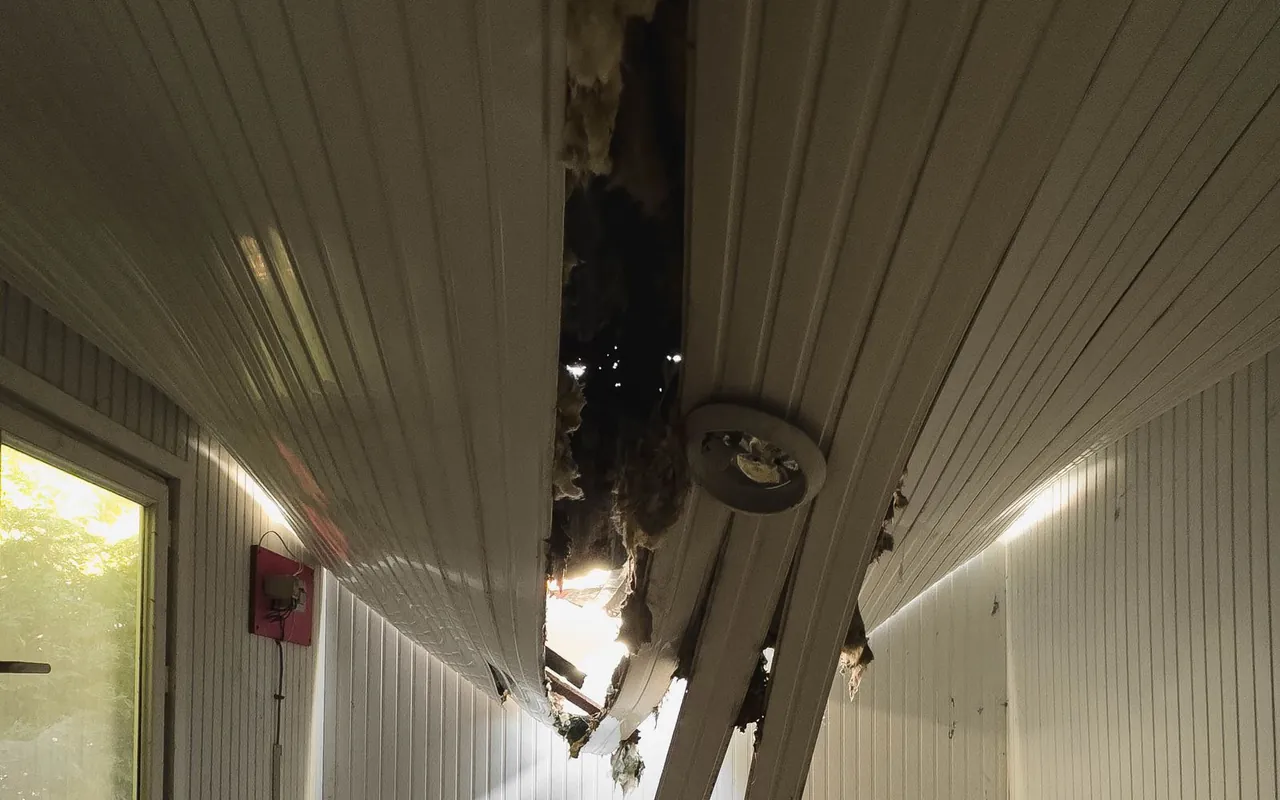
Most water damage restoration jobs run $2,000 to $6,000, with $4,000 the typical bill. That covers extraction, drying equipment, moisture checks, cleanup and basic repairs, or about $4 to $12 per square foot of affected floor. Jobs under $500 are usually one room with clean water.
Two quotes for the same flooded room can differ by thousands. The category of water decides what can be saved, the class decides how long drying takes, and whether walls or floors come out decides the repair bill. Ask for the drying plan, equipment schedule and moisture log, then compare line items, not totals.
Mold remediation is priced by the square foot at $15 to $30 installed, so the size of the wet area drives the bill. The ranges below use that rate for a basement, crawl space or wall cavity before structural repairs.
Calculated from the live per-square-foot rate and compared with HomeGuide in Oct 2026. Whole-home remediation often passes $15,000 once drywall and insulation come out.
National ranges, installed. Your city can run 10 to 20 percent either way, so check the local pages before you compare quotes.
HomeGuide water damage restoration, mold inspection and mold remediation cost guides, compared Oct 2026.
Six things move a restoration quote more than anything else. Ask the crew to write each one into the scope, so the bids you compare describe the same job.
Category 1 clean water runs $4 to $6 per sq ft. Category 2 gray water runs $6 to $9, and Category 3 black water from sewers runs $9 to $12 with more material removed.
One room with an inch of water costs less than a finished basement under two feet. Square footage, the number of rooms and wet wall cavities set the drying hours.
Air movers and dehumidifiers run until moisture readings return to normal, a few days for clean water and weeks for major contamination. Ask how equipment days are billed.
Carpet and pad are usually replaced at $2 to $8 per sq ft, and drywall runs $1.50 to $3.50. Hardwood at $7 to $25 per sq ft pushes a small leak into the thousands.
Mold can start inside a wet wall, and remediation costs $15 to $30 per sq ft. The longer the structure stays wet, the more likely the cleanup becomes a separate mold job.
Sudden or accidental damage is usually covered by homeowners insurance, but rising flood water needs a separate policy. After-hours calls cost extra, and structural repairs may need a permit.
On a typical job the crew, the drying equipment and the disposal are most of the bill. HomeGuide prices water removal and drying at $4 to $12 per sq ft, then adds repairs on top, which is why the line items matter more than the total.
HomeGuide water damage restoration cost guide, material and repair tables, Oct 2026.
A small Category 1 spill, such as a supply line that let go over a tile floor, is a realistic DIY cleanup. Shut off the water, pull up wet rugs, run a wet vacuum and rent an air mover and dehumidifier. Buy a moisture meter and keep drying until readings match a known dry area, not until the floor feels dry.
Call a professional for gray or black water, for anything that soaked into walls or subfloor, and for any area larger than one room. Contaminated water carries a health risk, insurance often requires documented remediation, and a hidden wet cavity that stays damp turns into a mold job that costs more than the original cleanup.
Installed prices per square foot. The category of water decides how much material can be saved, and the repair rows below show what replacement adds after the dry-out.
HomeGuide water extraction and water damage repair tables, compared Oct 2026.
All three can dry a room. The right answer depends on the category of water, how much got wet, and whether your insurance is involved.
For any job with contaminated water or an insurance claim, get a written scope and compare it with our quote checker. A job brief listing the rooms, water category and drying goal keeps every bid on the same page.
Knowing the sequence helps you compare bids, because every step should appear in the scope. If a quote skips one of these, that is where the savings come from.
The crew finds the source, assigns a water category and damage class, and photographs everything for the insurance file.
The supply is shut off, power to wet areas is cut, and the team puts on protective gear before touching contaminated water.
Pumps and extractors pull up standing water, then wet vacuums pick up what remains on hard floors and carpet.
A moisture meter and infrared camera find wet pockets inside walls, ceilings and subfloors that look dry from the surface.
Wet carpet, pad, drywall and insulation come out so air can reach the framing. Category 3 material goes out as hazardous waste.
Air movers and dehumidifiers run for days, with readings logged each visit until the structure matches a dry reference area.
Surfaces are cleaned, sanitized and sealed where needed, then drywall, flooring, trim and paint go back on.
Detailed cost guides for each job are being written; the tools above price every one of them today.
Checked against the official source on Oct 28, 2026. General information, not legal advice. Water Damage Restoration work is regulated by permit, and by state license for some trades.
An average water damage restoration job costs $2,000 to $6,000, with $4,000 typical. Extraction and drying run $4 to $12 per square foot, and repairs are added on top. Clean water jobs can stay under $500; flood damage can reach tens of thousands.
Insurance usually covers sudden and accidental damage, such as a burst pipe. It does not cover neglect or a slow leak you ignored. Rising flood water is excluded unless you carry a separate flood policy, so check before storm season.
A small clean water job takes a few days, mostly for drying. Major black water or flood damage can take several weeks or months, depending on how much material comes out and how busy contractors are.
You can handle a small Category 1 spill over a hard floor with a wet vacuum and rented air movers. Do not attempt gray or black water, soaked walls, or more than one room. Hidden moisture turns into mold.
Category 1 is clean water from a supply line or rain. Category 2 is gray water with some contamination. Category 3 is black water from sewage, groundwater or flooding and carries a health risk. Cost rises with each category.
Mold remediation costs $15 to $30 per square foot, and a typical job runs $1,500 to $6,000. Whole-home work can pass $15,000. A mold inspection first costs $300 to $650 and shows whether growth is active.
A sudden burst pipe repair is usually covered, and the repair runs $400 to $2,000 depending on access and how much wall opens. Keep receipts, photograph the damage before cleanup, and report the claim quickly.
Ask for a license, restoration certification, insurance and references. Request an itemized scope that separates extraction, drying days, demolition, mold treatment and rebuild. Get three quotes for the same scope before signing.
Padding is almost never saved. Carpet may be dried and cleaned after a quick Category 1 spill, but gray or black water means replacement. Carpet replacement runs $2 to $8 per square foot installed, and matching an older room is hard.