
All services
52 services in 9 categories · all live now
What movers cost in 2026, how hourly local rates and long-distance weight pricing work, and which add-ons are worth paying for on moving day.
Local movers cost $100 to $180 per hour for a 2-person crew with a truck, and a long-distance move of 1,000 miles or more runs $2,000 to $10,000, with $4,900 typical. Packing adds $600 to $2,500.
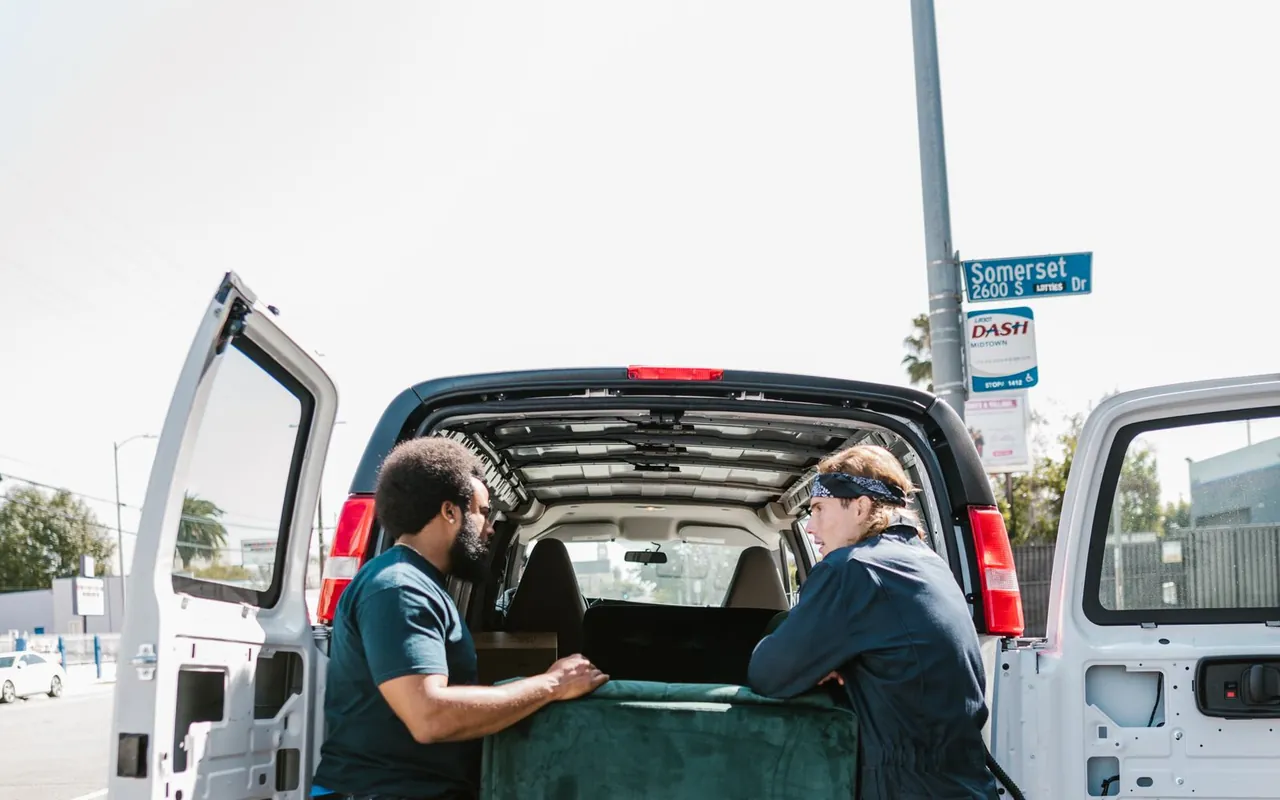
Local movers cost $50 to $100 per mover per hour, so a 2-person crew with a truck runs $100 to $200 per hour, per HomeGuide. Most companies apply a 3- to 5-hour minimum, which puts a small local move at $900 to $2,800 for a 2- or 3-bedroom home.
Long-distance moves are priced by weight and distance, not hours. A 1,000-mile move of a 2- or 3-bedroom home runs $2,000 to $10,000, and HomeGuide puts the wider long-distance range at $1,300 to $9,500. Packing, stairs and storage add to both.
Installed price for a 2-person crew with a truck at $100 to $180 per hour. A studio takes 2 to 3 hours, while a 3-bedroom house often runs 6 to 8 hours, and most companies set a 3- to 5-hour minimum.
Calculated from our published hourly range and compared with HomeGuide and HomeAdvisor in Oct 2026. A 4-hour local move lands near $560 at the typical rate, inside the $875 to $2,547 range HomeAdvisor reports for local moves.
National ranges, installed. Your city can run 10 to 20 percent either way, so check the local pages before you compare quotes.
HomeGuide moving company and long-distance moving cost guides plus HomeAdvisor moving service data, compared Oct 2026.
Six things move a moving quote more than anything else. Ask every company to put each one in writing, so the estimates you compare cover the same inventory.
The bigger the home, the longer the load, drive and unload. A studio takes 2 to 3 hours, while a 3-bedroom house often takes 6 to 8, and most movers bill a 3- to 5-hour minimum.
Two movers handle most apartments, and larger homes need three or four. Rates run $50 to $100 per mover per hour, per HomeGuide, so a third mover raises the hourly bill but can shorten the day.
Long-distance moves are quoted by weight and mileage, not hours. A 1,000-mile move runs $2,000 to $10,000 for a 2- or 3-bedroom home, and the range widens with distance and the size of the load.
Walk-ups, long carries, tight parking and elevator reservations add time. A parking permit for the truck costs $25 to $100 in many cities, and extra stops add a charge.
Packing services cost $600 to $2,500, per HomeGuide, or about $1,000 on average with materials, per HomeAdvisor. Boxes, tape and padding for a DIY pack run $270 to $2,200.
Summer weekends and month-end dates book first and cost more. Tipping is customary at 5% to 20% of the total, per HomeGuide, and 10% to 20% for local moves, per HomeAdvisor.
Movers sell time and truck space. The crew and the truck are most of the bill, while packing supplies and permits are small line items that are easy to control.
HomeGuide moving company and long-distance moving cost guides plus HomeAdvisor moving service data, Oct 2026.
A local move with a rented truck and friends is the cheapest option. Truck rentals run $30 to $3,500 depending on size and distance, per HomeAdvisor, and packing supplies add $270 to $2,200. Book the truck early and reserve a parking spot.
Long-distance DIY moves are harder than they look. Driving a loaded truck, paying for fuel and lodging, and covering damage out of pocket can erase the savings. Compare a DIY rental with a container service before deciding.
Typical prices by moving option. The right choice depends on distance, how much you want to lift, and how flexible your dates are.

HomeGuide moving company cost guide, service comparison table, compared Oct 2026.
Three ways to move. The choice comes down to who does the lifting, how far you are going, and how much control you want over the schedule.
Full-service movers buy time, hourly local crews fit small moves, and a container keeps costs down if you can load it yourself. Get written estimates on the same inventory, then run the number through our quote checker.
The estimate and the inventory decide the price. If a mover quotes without seeing the home, the number is a guess.
The mover walks the home or reviews a video tour and counts furniture, boxes and stairs. Inventory drives both the crew size and the weight estimate.
Ask for binding or not-to-exceed estimates on the same inventory. A cheap phone quote often grows once the crew sees the actual load.
Peak dates fill weeks ahead. Confirm the arrival window, the crew size and whether a parking permit is needed at either end.
Decide what the crew packs and what you pack yourself. Label boxes by room, keep valuables with you and photograph electronics before they are wrapped.
Clear walkways, reserve the elevator and protect floors. Have cash for tips and keep essentials in a separate bag.
The crew wraps furniture, loads by weight and secures the truck. For long-distance moves, confirm the delivery window and how to track the shipment.
Check the inventory sheet as items come off the truck, note any damage before signing, and keep the bill of lading for insurance claims.
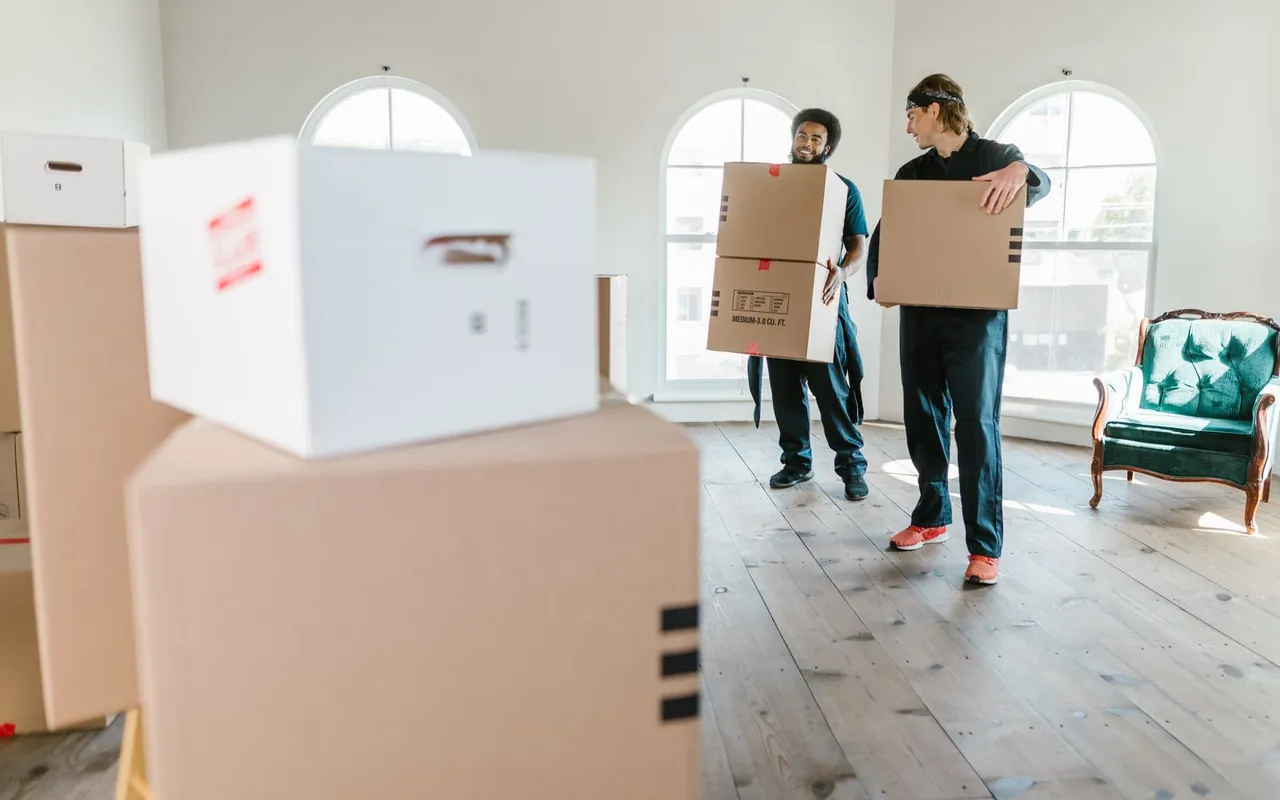
Detailed cost guides for each job are being written; the tools above price every one of them today.
Checked against the official source on Oct 28, 2026. General information, not legal advice. Movers work is regulated by permit, and by state license for some trades.
Local movers cost $100 to $180 per hour for a 2-person crew with a truck, and a long-distance move of 1,000 miles or more runs $2,000 to $10,000, with $4,900 typical. HomeGuide puts local moves at $900 to $2,800 for a 2- or 3-bedroom home.
Movers charge $50 to $100 per mover per hour, per HomeGuide, so a 2-person crew runs $100 to $200 per hour. Most companies apply a 3- to 5-hour minimum, and the clock starts when the crew arrives, including the drive between locations.
A long-distance move of 1,000 miles or more costs $2,000 to $10,000 for a 2- or 3-bedroom home. HomeGuide puts the wider range at $1,300 to $9,500, and HomeAdvisor at $2,700 to $10,000. Weight, distance and services drive the price.
HomeGuide says tipping is customary at 5% to 20% of the total, and HomeAdvisor suggests 10% to 20% for local moves. Tip more for difficult stairs, long carries or a short job. Cash is standard and appreciated on moving day.
Often yes for local moves. Truck rentals run $30 to $3,500 depending on size and distance, per HomeAdvisor, before fuel and supplies. For long-distance moves, add fuel, lodging and damage risk, which can erase the savings.
Packing services cost $600 to $2,500, per HomeGuide, or about $1,000 on average with materials, per HomeAdvisor. Packing supplies for a DIY job run $270 to $2,200. Packing yourself is the easiest part of a move to take on.
Yes, most local movers bill a 3- to 5-hour minimum, per HomeGuide. That is why a small apartment move can cost more than the hourly math suggests. Ask for the minimum and the travel charge before booking.
Get an in-home or video estimate, confirm the company's USDOT or state license number, and read the bill of lading before signing. Never pay a large cash deposit upfront, and check complaint history with your state regulator.
Mid-month and mid-week dates are cheaper and easier to book than month-end weekends, when demand peaks. Book at least four to six weeks ahead in summer. Off-peak dates can also mean a larger or more experienced crew.